Caterpillars & Butterflies
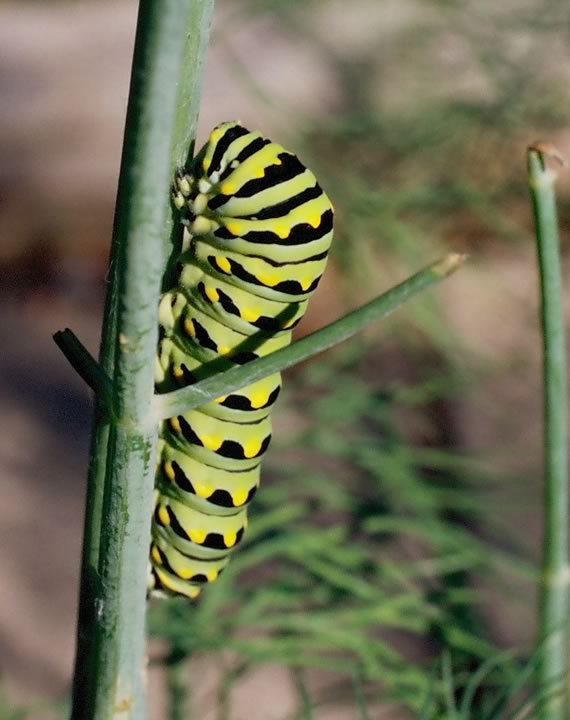
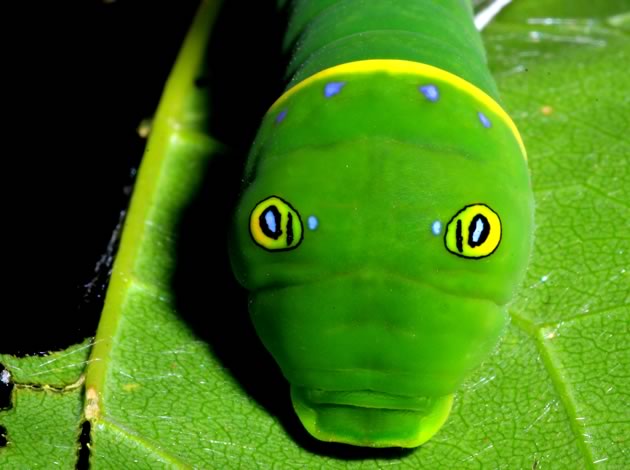
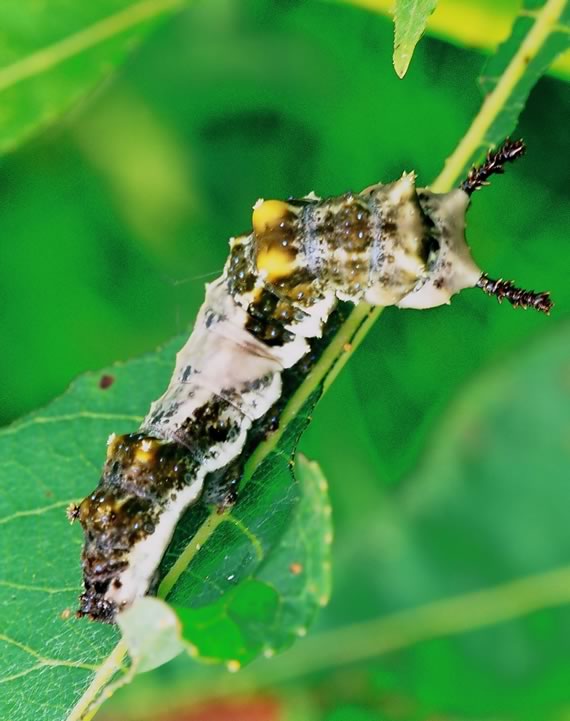
Most butterfly caterpillars will mature and form chrysalides within two or three weeks.
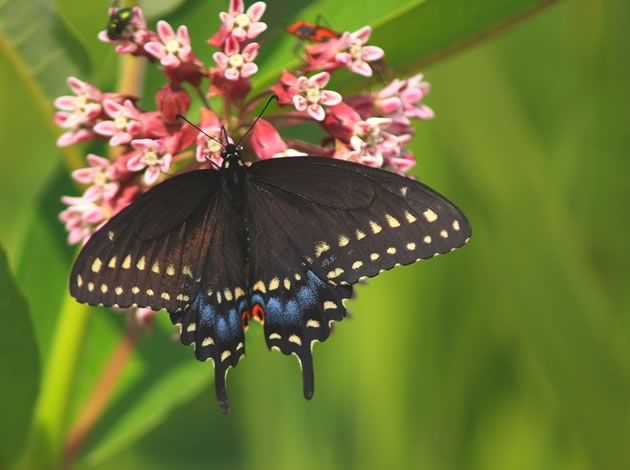
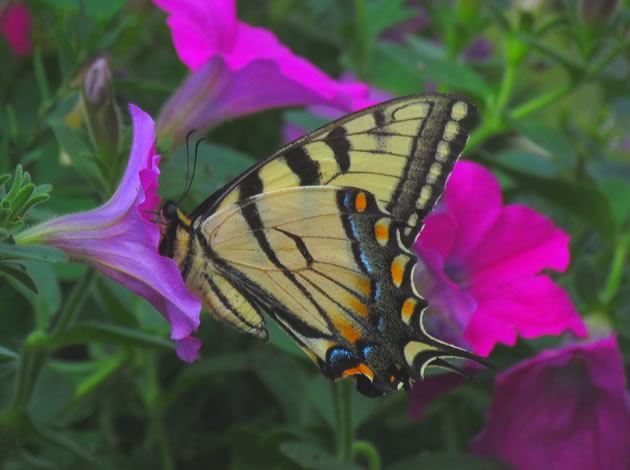
Butterflies, being solar powered, are enjoying the hot summer of 2011. To the casual observer their buoyant flight over fields and along woodland verges may seem carefree, but it couldn’t be more purposeful.
The serious business of being a butterfly involves searching for food and, if the butterfly is a female, searching for appropriate leaves to lay her eggs.
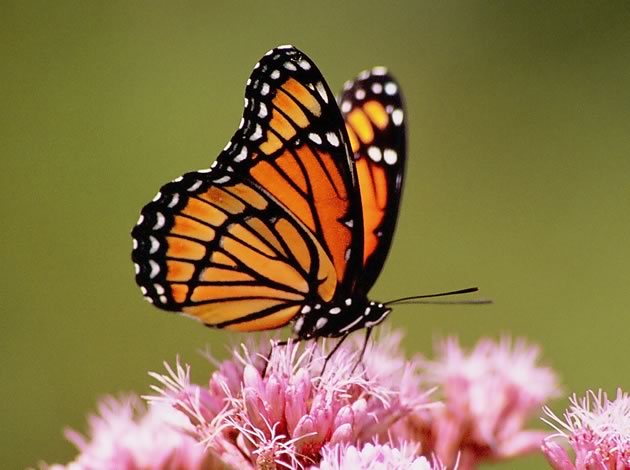
If you spend any time watching butterflies these behaviours become easy to distinguish. Hungry butterflies flit from flower to flower sipping nectar.
Female butterflies ready to lay eggs may ignore this sugary reward entirely. Instead they conduct a focused search to find the particular species of plants that will feed their caterpillars.
Though they know roughly where such plants are – probably through sense of smell – they need to taste a leaf to identify a plant with certainty. This is done not with their tongues but with their feet! A butterfly repeatedly “touching down” on a variety of leaves is engaged in this taste testing.
When a butterfly does alight on an appropriate leaf, she curls her abdomen, touches its tip to the leaf and deposits an egg. Following this behaviour will allow you to collect an egg or two to enjoy the miracle of metamorphosis.
Snip the branch or stem with the egg bearing leaf attached.
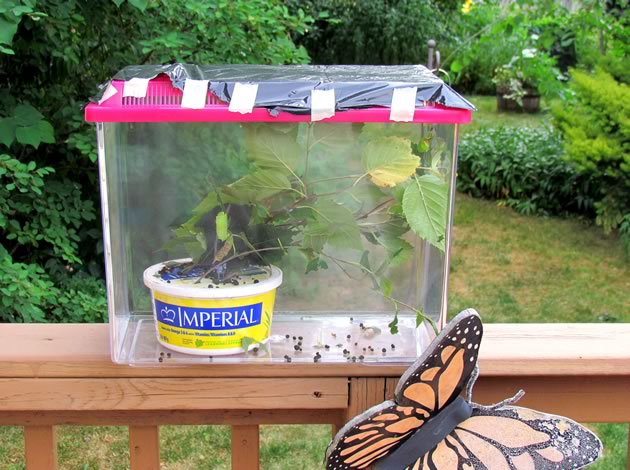
Plunge the branch through the top of a plastic container like a margarine tub that has been filled with water. This keeps the leaves hydrated – essential for the health of the caterpillar.
Then place the margarine tub into a larger container with a lid. The plastic terrariums readily available from pet stores work well. Introduce new stems and leaves as necessary. Most butterfly caterpillars will mature and form chrysalides within two or three weeks.
Enjoy the show!