Late Summer Wetland Wildflowers
The onset of autumn brings a profusion of late bloomers that add a splash of colour to Ontario wetlands.
Late summer wetland wildflowers are now at the height of their glory. They cloak wetland margins throughout Headwaters and beyond. All they ask for is sun, wet feet and pollinators.
Populations of bees, wasps and flies build through the summer, peaking in August and September. No surprise then that many wildflowers delay their exuberant blooming until this time of year.
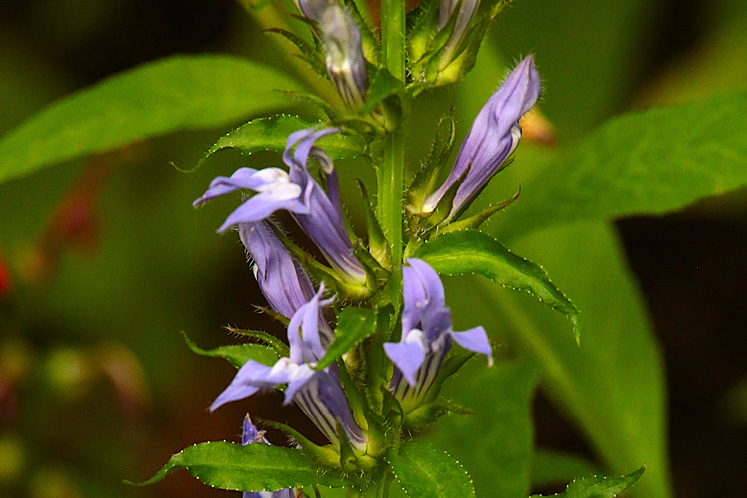
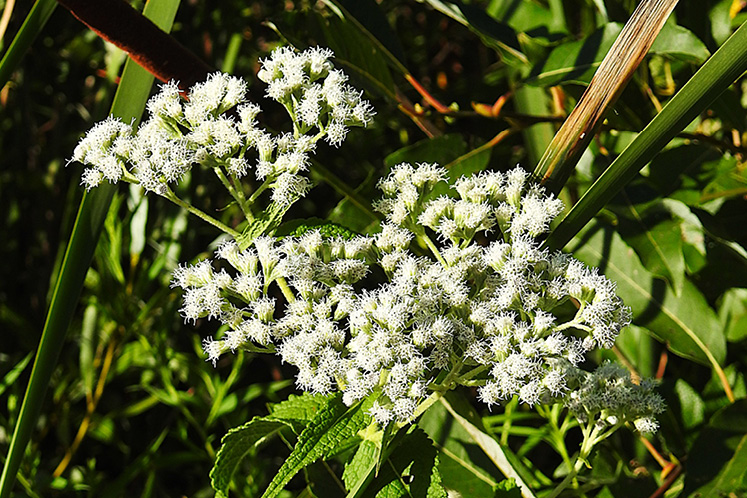
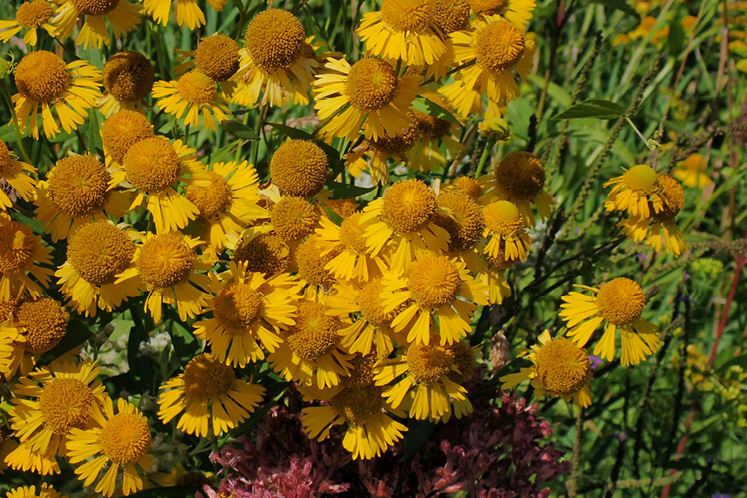
Most of our wildflowers have an uneasy relationship with trees. The spring ephemerals – trilliums, bloodroot, hepatica and many others – have evolved to grow and bloom before tree leaves block the sun. And wetland wildflowers flourish in places where trees can’t establish rootholds.
Places like the banks of streams, for example, where turbulent springtime flows sweep away baby trees. The wildflowers, living entirely underground in early spring, safely emerge after the waters subside. Then, like Jack’s beanstalk, they rocket skyward nourished by the organic matter deposited by spring flooding and energized by abundant sunlight.
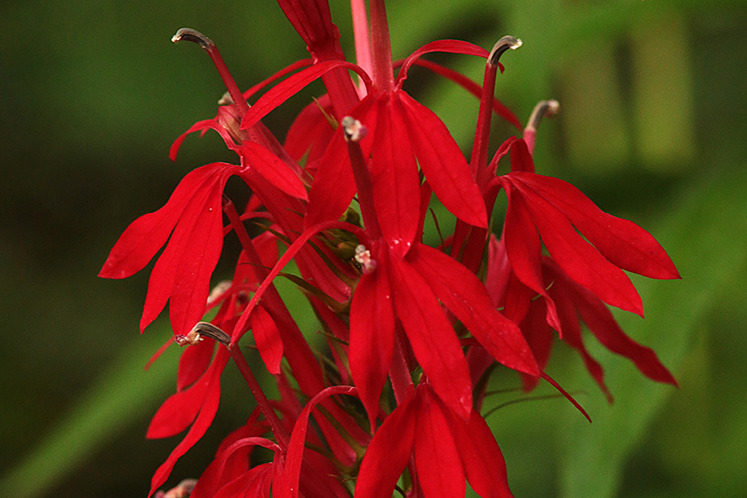
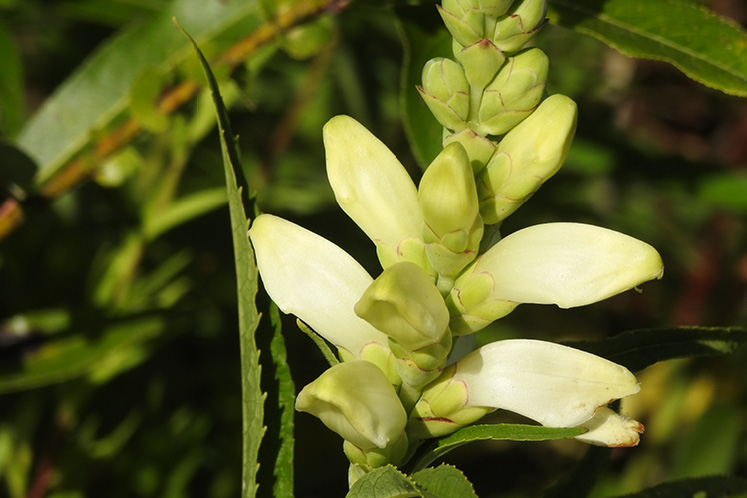
Each species has evolved to attract a different mix of pollinators, thus reducing competition. Cardinal flowers have been shaped and coloured by evolution to appeal to hummingbirds. Turtleheads produce white flowers that must be pried open to access the nectar inside. Honeybees don’t bother trying, leaving the task to burly bumblebees.
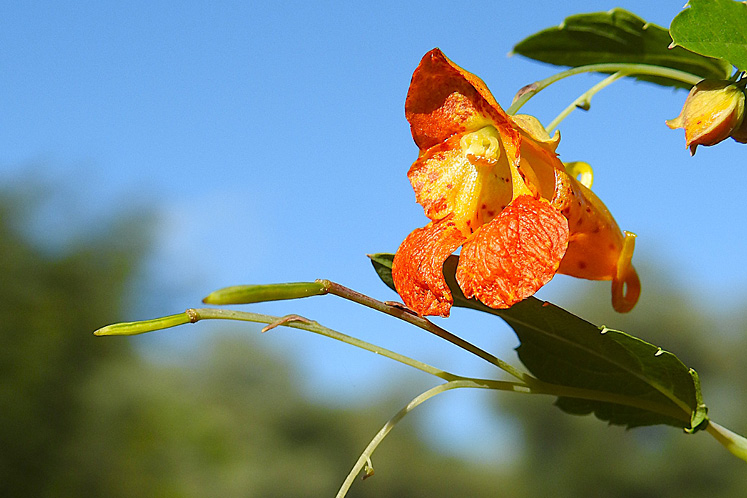

Joe Pye weed, offering profuse purple blossoms, also appeals to bumblebees, but boneset, its smaller cousin, preferentially appeals to wasps. There is great floral wisdom in playing come hither to a particular set of pollinators. A given pollinator will more likely buzz between flowers of the same species, thus increasing the odds of successful fertilization. Flitting randomly between different species often means wasted pollen.
The science that governs the success of wetland wildflowers is fascinating, but for most of us what matters is the sweeping beauty of their flowers, one of nature’s final acts before the onset of the cold.
Related Stories
Midsummer Pollinator Plants
Summer holidays might be halfway over, but the bees are still having a field day thanks to these flowering pollinator plants

A Monarch Magnet
The sweet nectar of liatris ligulistylis is renowned for its ability to lure monarch butterflies to gardens.

Roadside Attractions
Each year our roadside verges erupt in a bloom of wildflowers, only to be leveled by municipal mowers. Is there a better way to manage these habitats?
Carnivorous Plants
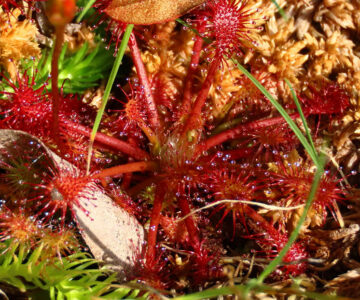
Plants can be killers too, and in Headwaters we have at least three varieties of carnivorous plants that consume small animals.