Milkweed and Monarchs
The monarchs’ table was set, but alas, they wouldn’t come to dinner.

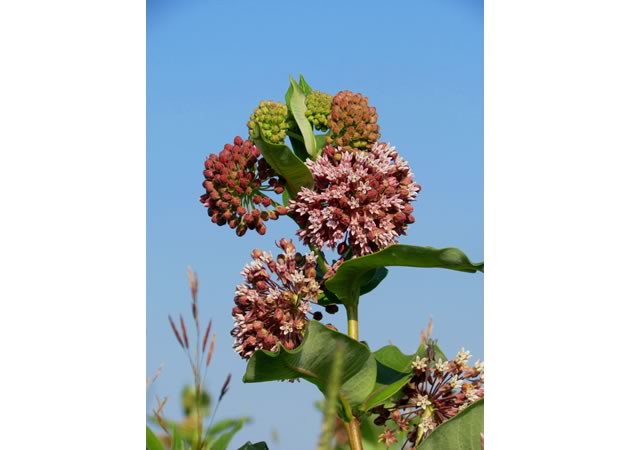
Common milkweed at Forks of the Credit Provincial Park
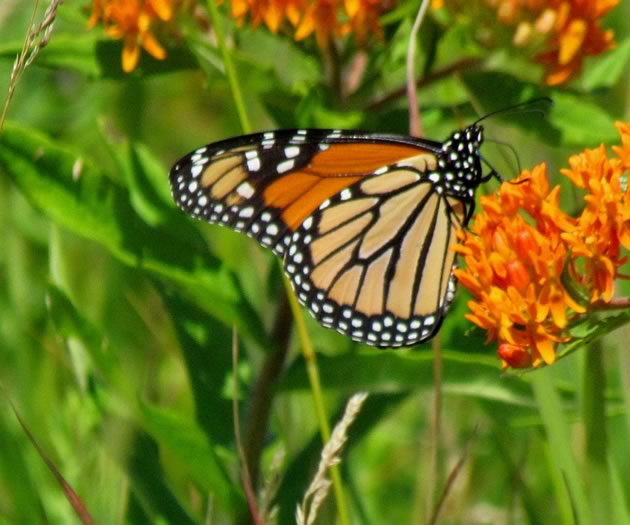
Last summer I hiked through the meadows of Forks of the Credit Provincial Park in Caledon fervently hoping for a glimpse of a monarch butterfly. Fragrant blossoms of thousands of milkweed plants swayed in the breeze, advertising a feast for monarch caterpillars. The monarchs’ table was set, but alas, they wouldn’t come to dinner.
There has been much concern of late about the diminished numbers of monarch butterflies throughout eastern North America and rightly so. This past winter the overwintering sites in Mexico sheltered the fewest monarchs on record since counts began in 1994.
One response to this debacle here in Canada has been a campaign to grow milkweed, the larval food plant of monarch butterflies. More milkweed certainly can’t hurt, but to be honest, we shouldn’t place too much faith in this strategy.
There is already plenty of milkweed in Ontario – almost certainly more than enough to satisfy the monarchs’ needs. Common milkweed (Asclepius syriaca) is abundant in fields and along roadsides throughout southern Ontario.
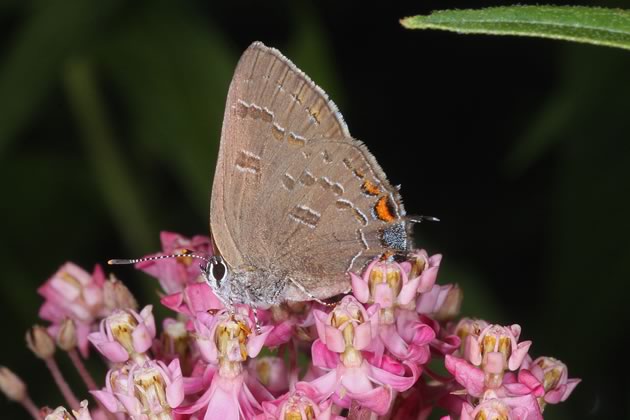
Should we still plant milkweed in our gardens then? Absolutely. With luck you will attract a monarch or two and be able to enjoy these magnificent creatures up close and personal. Milkweed also offers nectar to many other butterflies and to a wide range of pollinators including bees and flower flies.
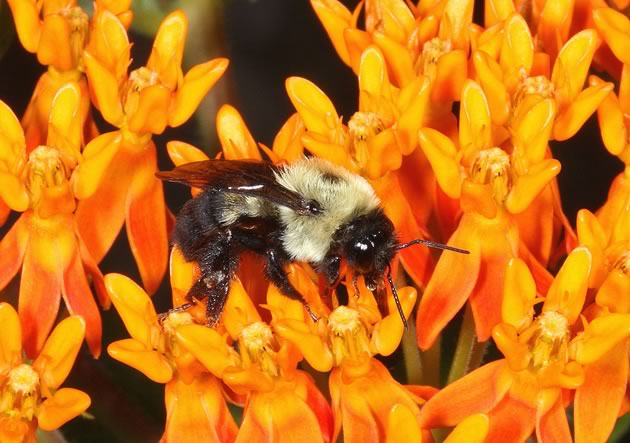
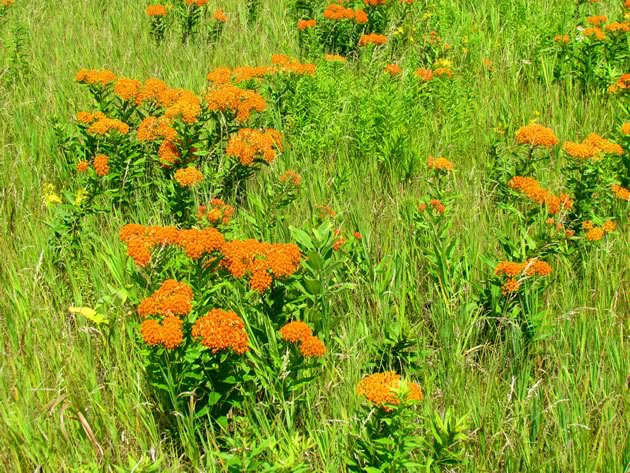
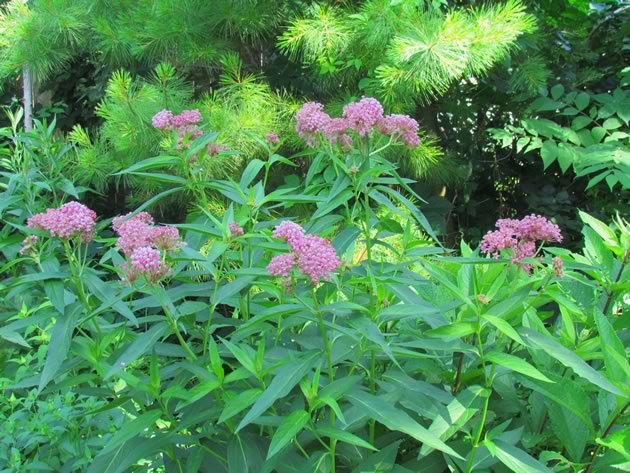
If you are hesitant about planting the somewhat aggressive common milkweed, two other lovely native milkweeds – swamp milkweed (Asclepias incarnata) and butterfly milkweed (Asclepias tubersosa) – can be readily found at garden centres.
So, please plant milkweed for a host of good reasons, but don’t be misled into thinking that this will be the monarchs’ salvation. For “our” monarchs to survive, extraordinary measures need to be taken south of the Canadian border, with the protection of their Mexican wintering habitat an absolute priority.
More Info
Links on the monarch butterfly
Related Stories
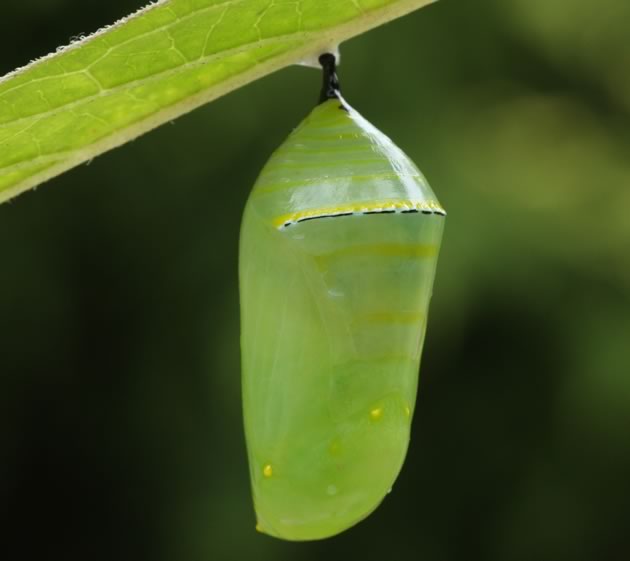
Monarch Butterfly – RIP 2026
Most of us are old enough to remember when monarchs were a frequent sight in meadows and gardens.
Monarchs: Children of the Sun
Monarchs are children of the sun. The boldness of Sol this summer has energized their life cycle.