The Buzz about Dragonflies
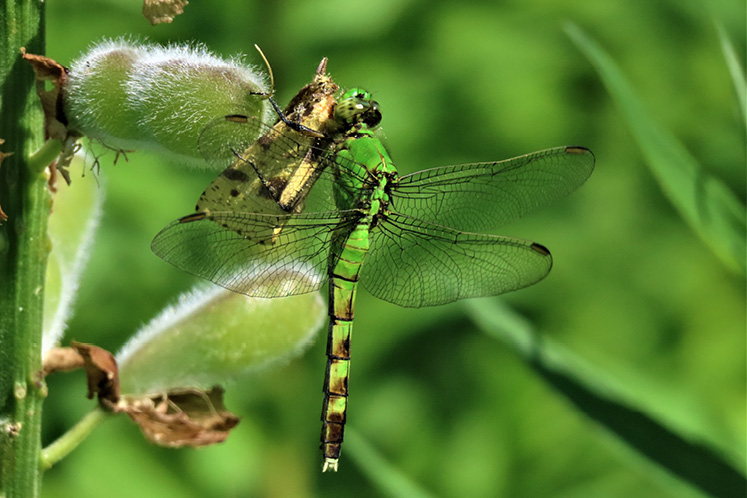
Dragonflies are fascinating and unique insects thanks to their ancient lineage, iridescent colors, and their role as voracious predators in the insect world.
Insects in general get a bad rap, but dragonflies often get cut some slack. They are beautiful, shimmering in an artist’s palette of colours. But they also merit our appreciation for hunting the biting flies and mosquitoes that torment us in the summer.
Savvy businesspeople have capitalized on dragonfly diets. You can now buy imitation dragonflies perched on wires that can be clipped on hats to scare deer and horse flies. I haven’t worn a dragonfly yet, but I am intrigued.

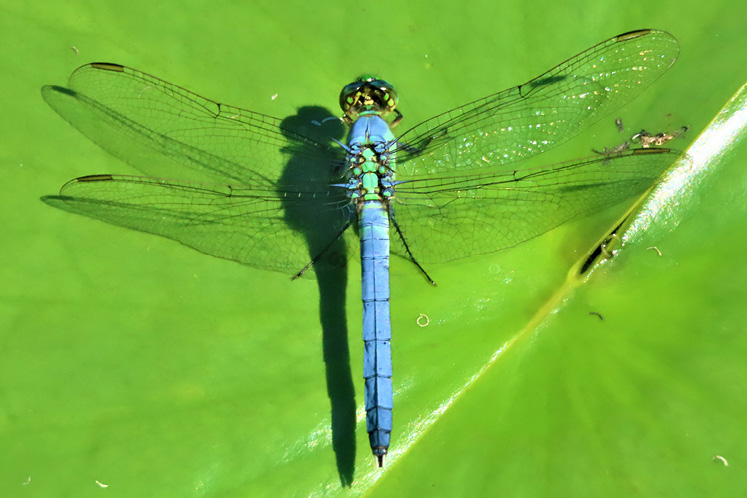

Though almost everyone is familiar with adult dragonflies, their lovely aquatic larvae aren’t well known. These immature dragons are also voracious predators – nightmares that haunt a pollywog’s dreams.
Some species of dragonflies migrate, along with birds and monarch butterflies, in the spring and fall. The lovely green darner is one of those species.
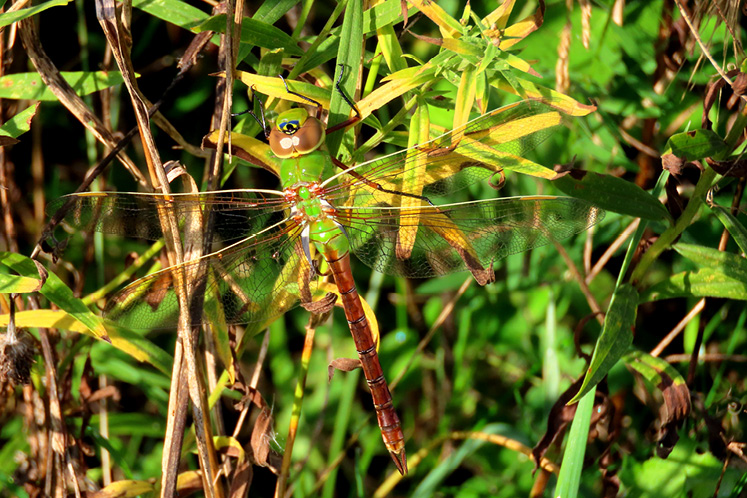

Green darners migrate north from the southern U.S. to Canada in the spring. They lay eggs here and then die. Their offspring emerge from our ponds and lakes in the summer and fall and wing southward. There, they also lay eggs and die. The offspring of this generation overwinter in the south before launching themselves northwards in the spring, repeating the cycle.
So, like the fabled monarch butterflies, green darners don’t make round trips – they have never been to their destinations in the north, or the south for that matter. How monarchs and darners negotiate these journeys is one of nature’s delightful mysteries.


Also delightful is the folklore surrounding the darner name. My aunt Mooney used to call dragonflies “darning needles” – a once widespread usage derived from the shape of their bodies. When I was a child, my aunt warned me that these “darning needles” might sew my mouth shut!
It turns out that this cautionary tale was once commonly invoked by parents frustrated by noisy children. I have no idea why my beloved aunt would chide me with the story!
Related Stories

Bugged!
Insects and their kith are essential to life on earth – but that doesn’t mean we want to share our houses with them. Here’s a closer look at some of our unwanted house guests and how to politely usher them out.

Macro Nature Photography Captures the Secret Lives of Little Things
A close-up look at some of the small critters that inhabit Headwaters and how their lives intersect with ours in crucial ways.
Adapting to Survive
Animals use camouflage, poison and deception to live another day.
Dispatches from a Vernal Pool
Vernal pools, like coral reefs, are theatres showcasing life and death struggles between prey and predators.