A Melody on a Wing
With spring in full swing, the trees are alive with the songs of migrating warblers returning to Ontario’s forests on their journey north.
May is warbler time. A time when greening trees are graced by exotica from the neo-tropics. A time when a walk in the woods is akin to an Easter egg hunt with the quarry a delightful selection of colourful avian life.
The Headwaters is the nesting destination for many of these beautiful warblers. But for others refueling is the objective, before they continue winging northwards to the boreal forests.
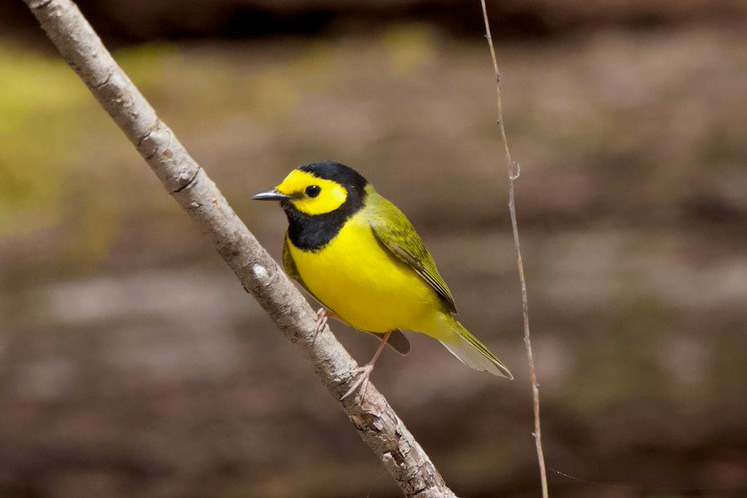
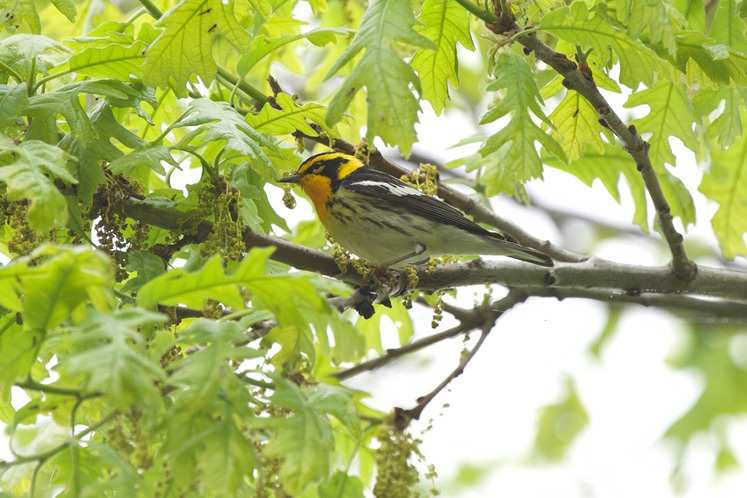
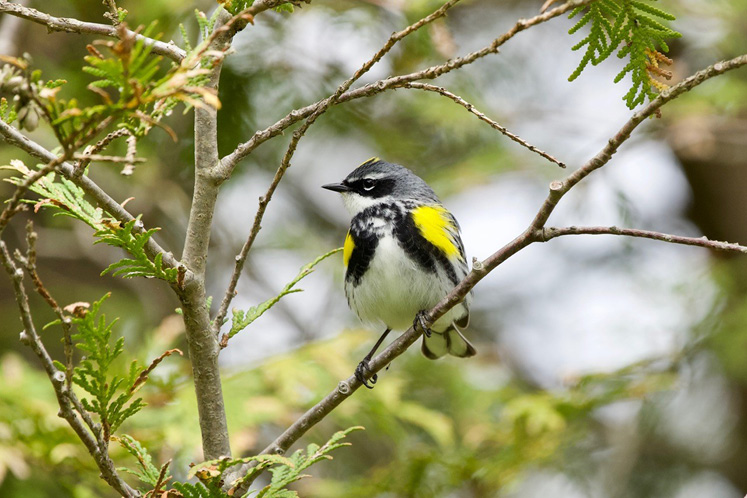
For most of these avian gems trees are crucial. There is good reason why collectively they are referred to as “wood warblers”. Trees are their bread and butter, providing buffets of nutritious insects. Only the common yellowthroat, a black-masked wetland warbler, departs from this tree dependance. For yellowthroats, shelter and insects are provided by marshland plants like cattails.
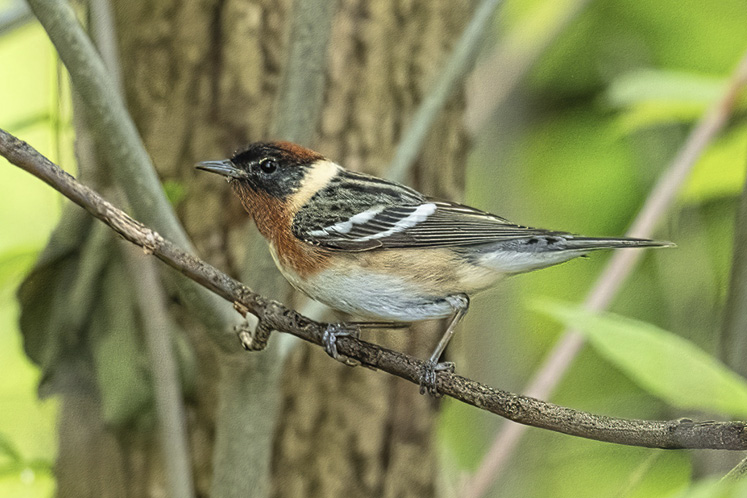
Unsurprisingly, each species of warbler has a unique lifestyle. Habitat choice and feeding styles vary. These differences allow many different warblers to divide and share the insect abundance of our woodlands.
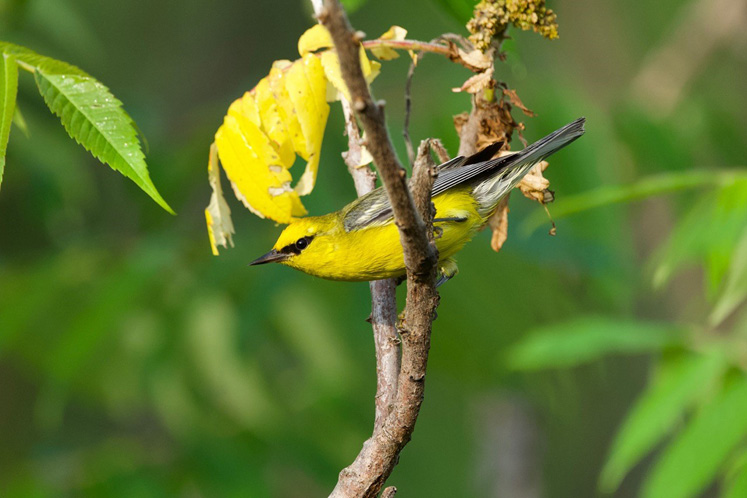
Black and white warblers scale the trunks of trees like nuthatches as they search for insects. White cedars are particular favourites. Blue-winged warblers skulk the sunny verges of meadows among small trees like hawthorns. Forks of the Credit Provincial Park is a good place to see them. Black-throated green warblers live the high life in the canopy of our hemlocks.
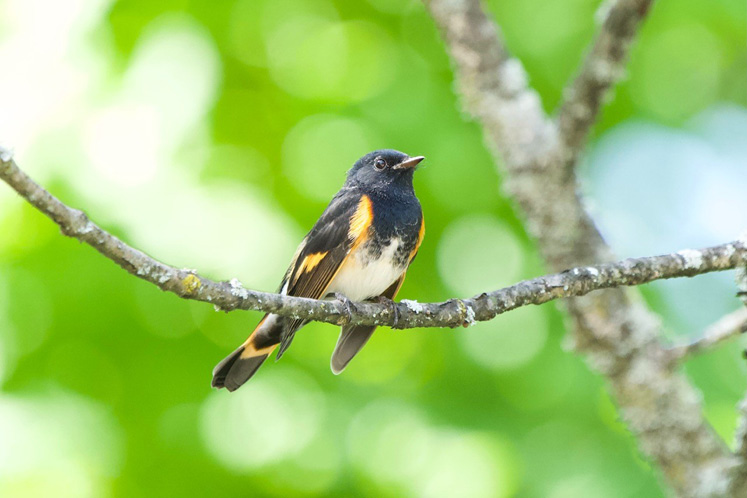
American redstarts are known as “candelitas” in Spanish, translated, appropriately as “little torches”. These active warblers, splashed with bright orange or yellow, flit constantly in shrubby growth as they search for food. Deeper in the woods, ovenbirds sing “teacher, teacher, teacher” as they forage thrushlike on the forest floor.
If you’d like to get to know warblers better, why not take a walk in any of the many Headwaters conservation areas this month? Listen for their distinctive calls – the Merlin Bird ID app will help – and watch for movement before you lift your binoculars. Patience is often required, but these glorious birds are worth the effort!
Related Stories

Two in the Bush
The Christmas Bird Count provides a snapshot of overwintering local birds and an opportunity for birders, experienced and inexperienced, to enjoy some holiday camaraderie.
Wonderful Warblers
Naturalist Don Scallen explores the many species of Warblers found in Ontario; though if you want to see them, you’ll have to leave suburbia.
Home, Sweet Home
The amazing architectural feats (and sometimes cheeky parenting techniques) of nesting birds

The Allure of Owls
Owls generate great excitement among birders, and they tug, irresistibly, at our heart strings with those big, expressive eyes.