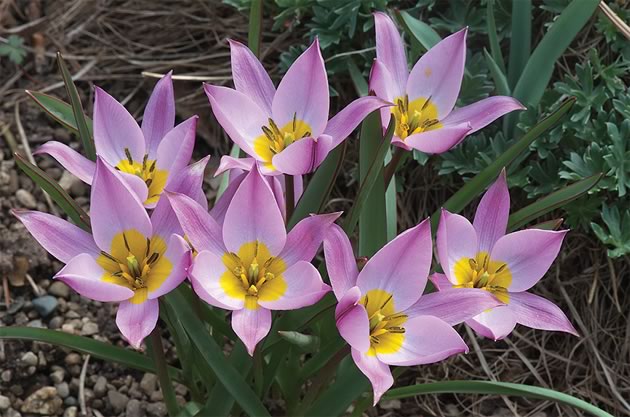
Liz has seen the yellow and pink Tulipa saxatilus in Crete. Photo by Rosemary Hasner / Black Dog Creative Arts.
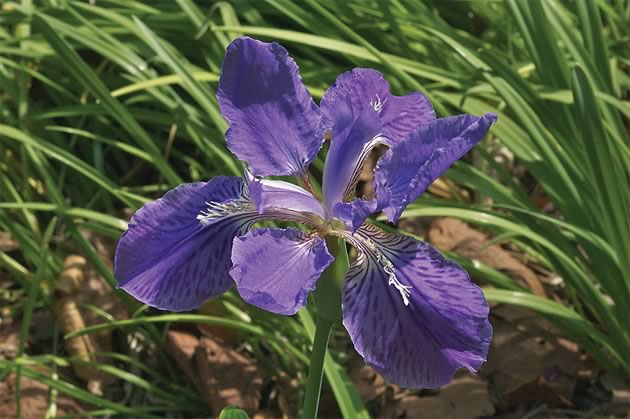
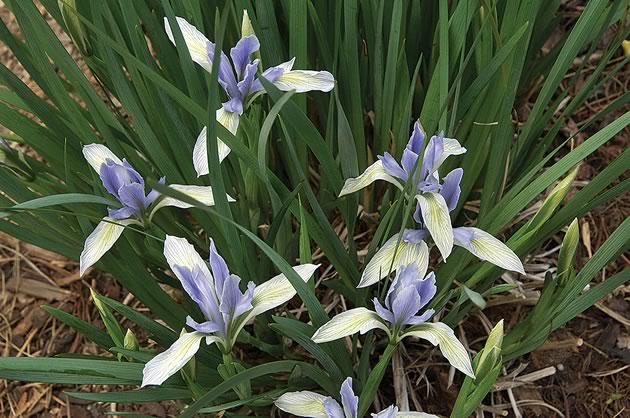
Iris tectorum (tectorum is Latin for “of the roof”) in China, where it grows on rooftops. Photo by Rosemary Hasner / Black Dog Creative Arts.
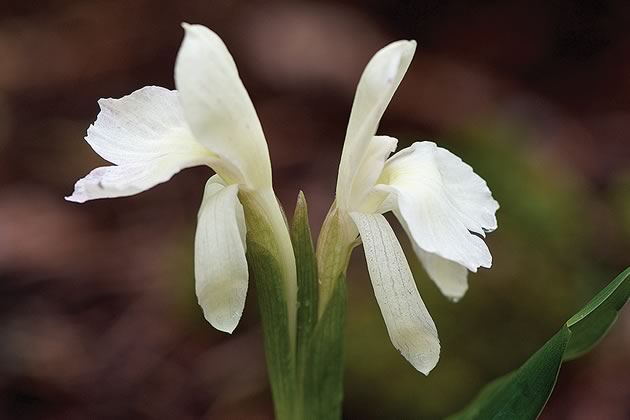
The delicate yet hardy Roscoea humeana alba also grows in China. Photo by Rosemary Hasner / Black Dog Creative Arts.
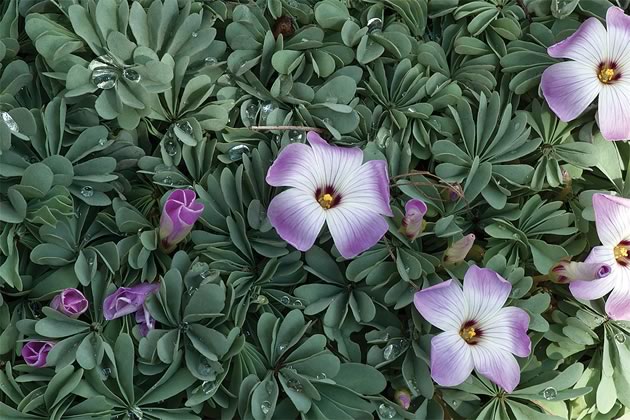
Liz has seen the pale purple Oxalis adenophylla in Argentina and Chile. Photo by Rosemary Hasner / Black Dog Creative Arts.
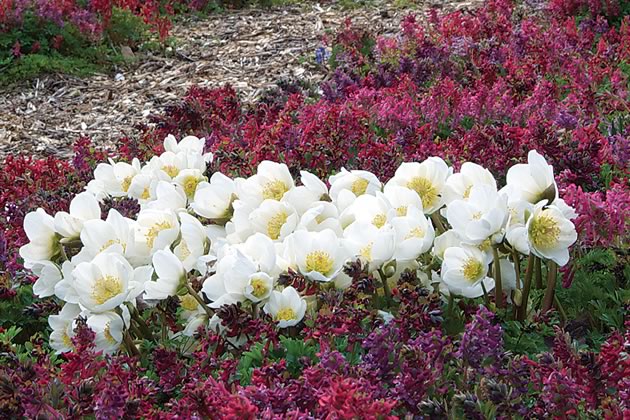
Helleborus niger blooms in a sea of pink Corydalis solida. Photo by Rosemary Hasner / Black Dog Creative Arts.
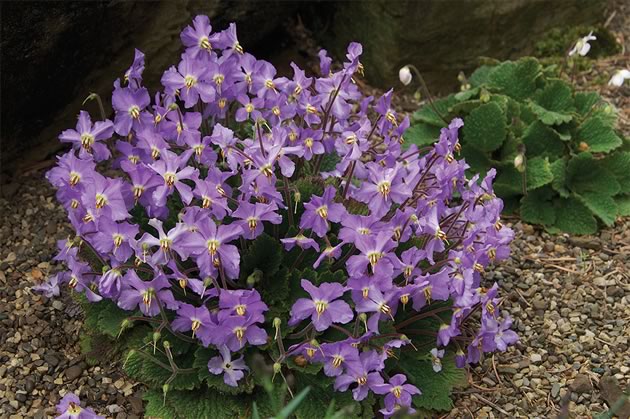
Purple Ramonda myconi thrives in the Pyrenees. Photo by Rosemary Hasner / Black Dog Creative Arts.
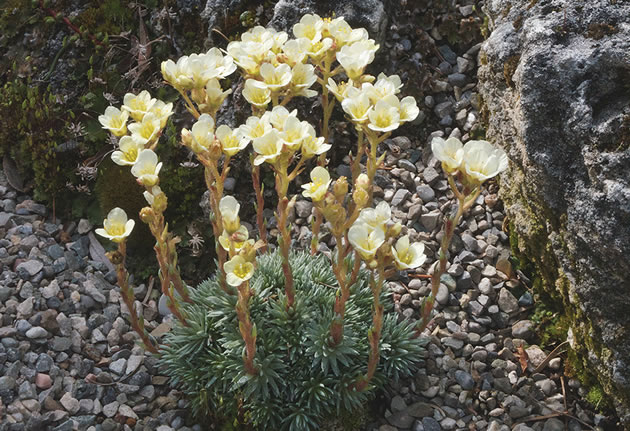
Liz was inspired to grow Saxifraga ‘Winton Harding’ after seeing many saxifrages, known as “rock breakers,” growing in the wild from the French Pyrenees to Nepal. Photo by Rosemary Hasner / Black Dog Creative Arts.
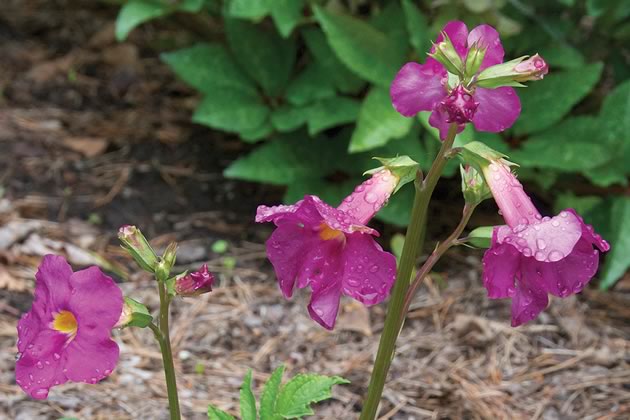
This Incarvillea zhongdianensis grows in Yunnan, China and was named after Zhongdian, the place it was discovered. Photo by Rosemary Hasner / Black Dog Creative Arts.
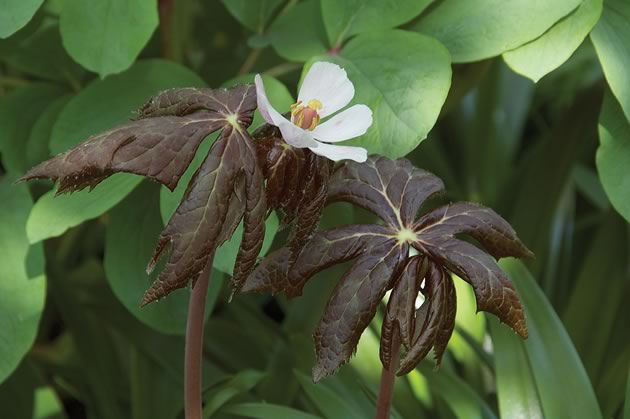
Liz saw Sinopodophyllum hexandrum, with its pink flowers and green leaves marbled with brown, bloom in the wild in India and China. Photo by Rosemary Hasner / Black Dog Creative Arts.
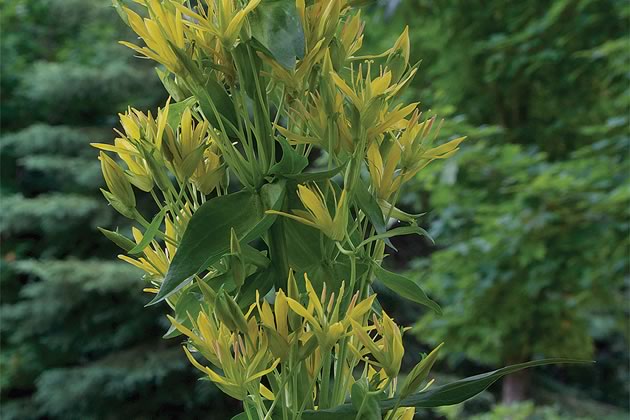
The yellow-green Gentiana lutea from the Pyrenees can grow to be five feet tall. Photo by Rosemary Hasner / Black Dog Creative Arts.
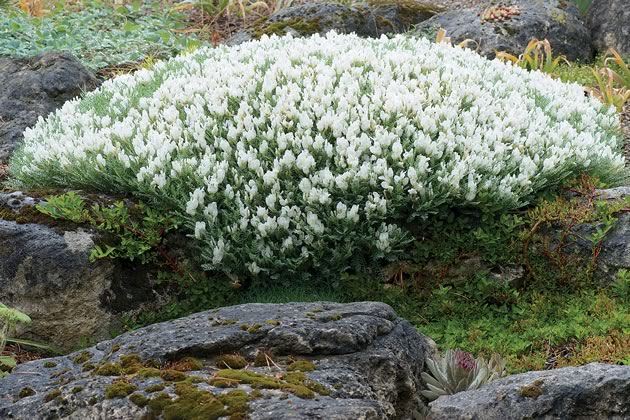
The white mounding Astragalus angustifolius grows in Turkey and here can grow to more than two feet wide. Photo by Rosemary Hasner / Black Dog Creative Arts.
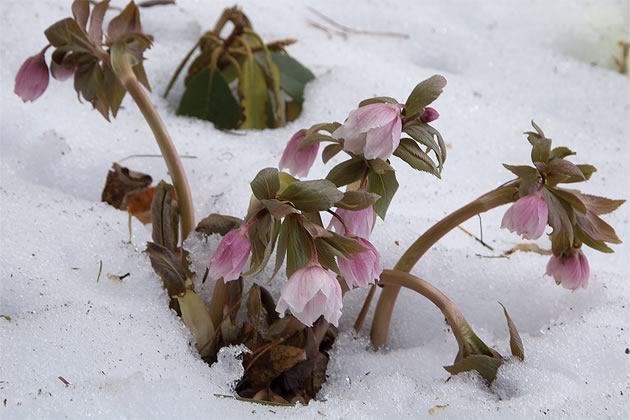
Liz saw the Helleborus thibetanus in Sichuan, China; here it is one of the first spring plants to emerge. Photo by Rosemary Hasner / Black Dog Creative Arts.
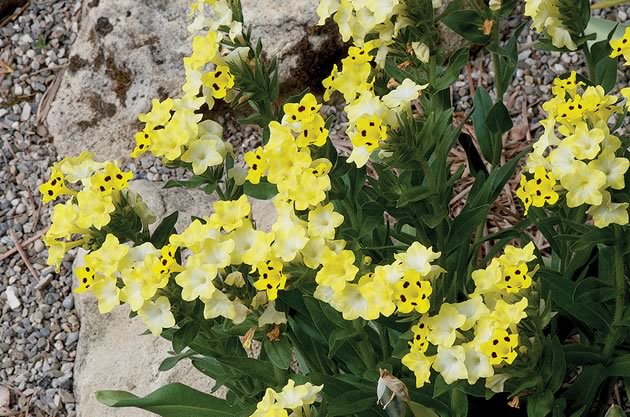
The pale Arnebia pulchra is from Turkey. Photo by Rosemary Hasner / Black Dog Creative Arts.
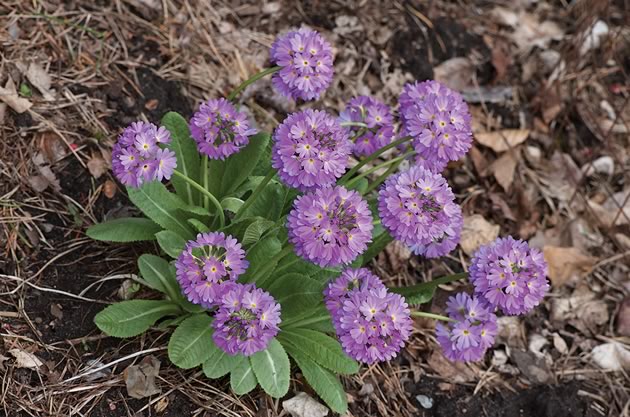
Liz has seen Primula denticulata in Bhutan, China and India. Photo by Rosemary Hasner / Black Dog Creative Arts.
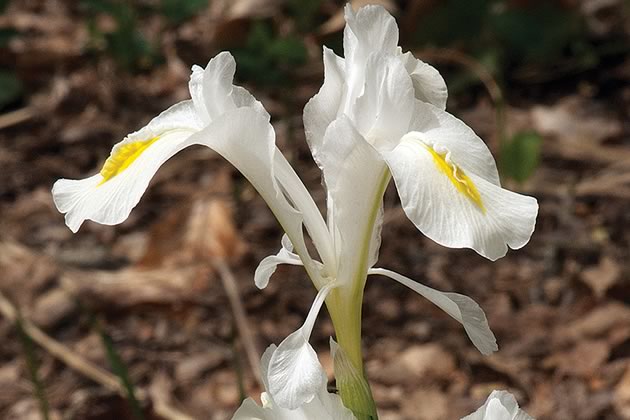
Iris magnifica was a highlight of trips to Uzbekistan, where the climate is much like ours. Photo by Rosemary Hasner / Black Dog Creative Arts.
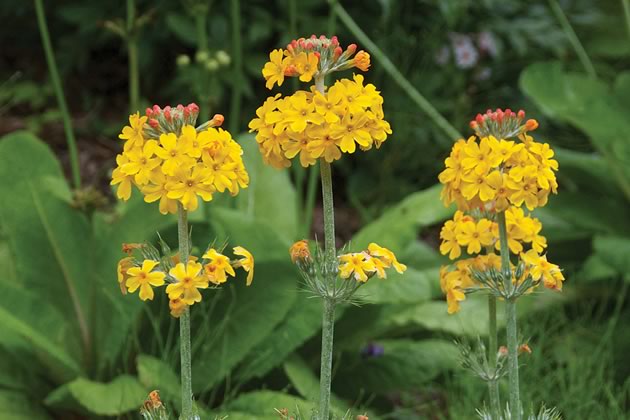
The yellow Primula bulleyana, native to China, was named after British cotton merchant Arther Bulley, who sponsored plant explorations in China in the early 1900s. Photo by Rosemary Hasner / Black Dog Creative Arts.
The Iris lactea flowers in cream and purple and hails from North West India. Photo by Rosemary Hasner / Black Dog Creative Arts.
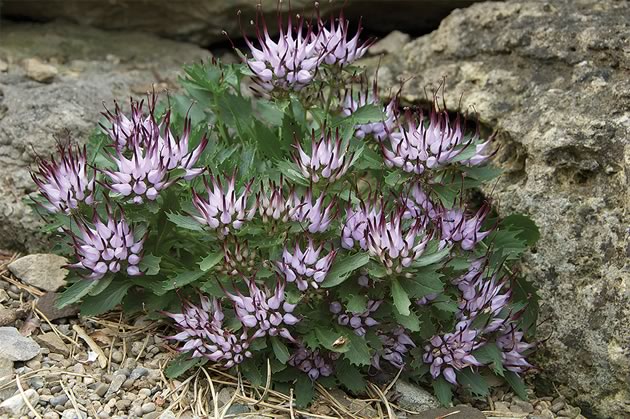
Commonly known as Devil’s Claw, this Physoplexis comosa is from the Dolomites in Italy and is the kind of plant that inspires Liz to travel. Photo by Rosemary Hasner / Black Dog Creative Arts.
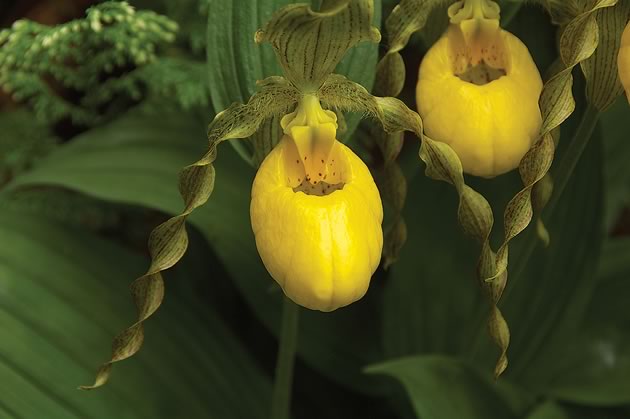
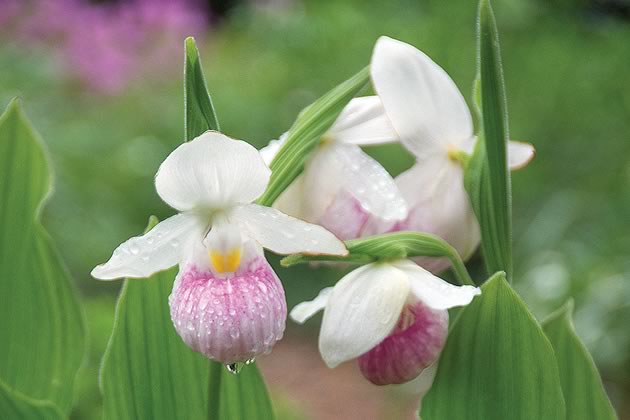
Cypripedium reginae, or showy lady’s slipper, is queen of the luscious garden moment. Photo by Rosemary Hasner / Black Dog Creative Arts.
Cypripedium reginae, or showy lady’s slipper, is queen of the luscious garden moment. Photo by Rosemary Hasner / Black Dog Creative Arts.
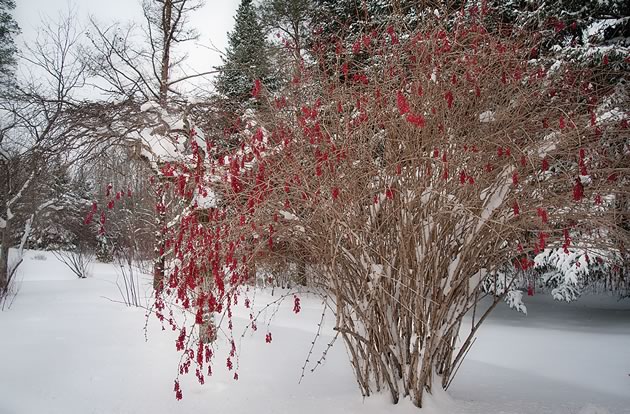
Berberis koreana ‘Red Tears’ is a winter showstopper. Photo by Rosemary Hasner / Black Dog Creative Arts.
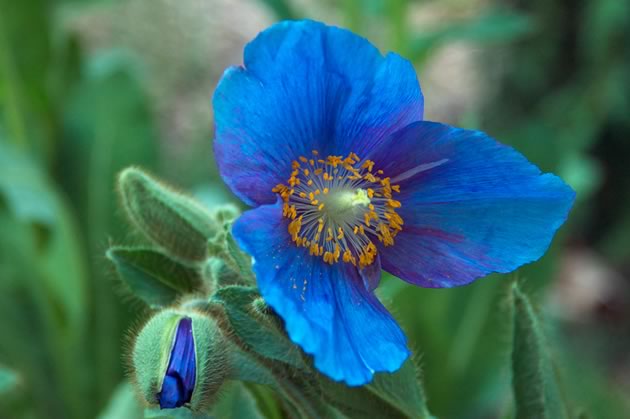
A cultivar of the famous blue poppy found in the Himalayas, Mecanopsis ‘Lingholm’ adds a surreal touch to the landscape. Photo by Rosemary Hasner / Black Dog Creative Arts.
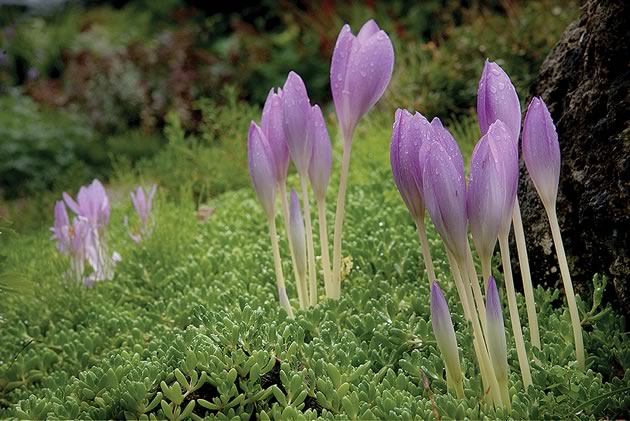
Purple-blooming Colchicum bulbs bring a spring freshness to the autumn garden. Photo by Rosemary Hasner / Black Dog Creative Arts.
Read on for the full story on Liz Knowles’ gardening style. Click here for a four-season gallery of her gardens. And check out our Editor’s Desk for more on Liz’s history in Mono.
About the Author
Tralee Pearce is the publisher/editor of In The Hills Magazine. More by Tralee Pearce
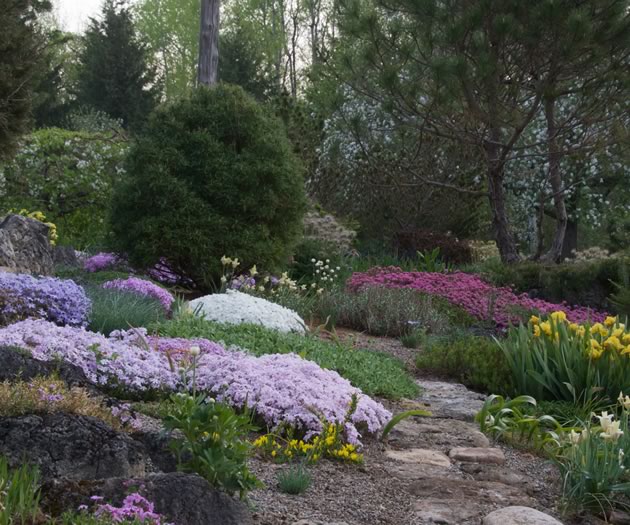
Gardener Liz Knowles’ passion for rare yet rugged alpine flora has transformed her Mono gardens into more than an aesthetic triumph. They’re an aide memoire of her life and travels 40 years on.