
How to Prepare Your Roof For Winter
If snow and ice wreak havoc on your roof every year, try these tips to weather the storms.
Remember the winter of 2024? There was a ton of snow. Clearing the white stuff felt like an Olympic sport. And beyond those snow-choked driveways and walkways, something else often needed attention: mile-high piles of snow on roofs.
When the first real storm of the season blankets the hills, etching every roofline in white, everything looks straight from a storybook – that is, until the next dump of white stuff overwhelms rooftops with an excess of snow. If left uncleared, this pileup of precipitation can lead to issues such as ice dams, which can cause significant damage to your roof and to the interior of your home.
The snow and ice effect
When it comes to worrisome snow accumulation, some years are better than others.
“Last year winter delivered a lot of snow and little sun, meaning we didn’t have a lot of melting, which helps to naturally control the snow load on your roof,” explains Sean Cairns, owner of Cairns Roofing Services in Palgrave. Problems start when rooftop vents aren’t cleared, he explains, and heat builds up in the attic, unable to escape.
Many people think plugged eavestroughs are to blame, but that’s not the case, Cairns says. “It is because of the formation of ice dams.” He adds that ice dams cause “90 per cent of winter roof issues.”
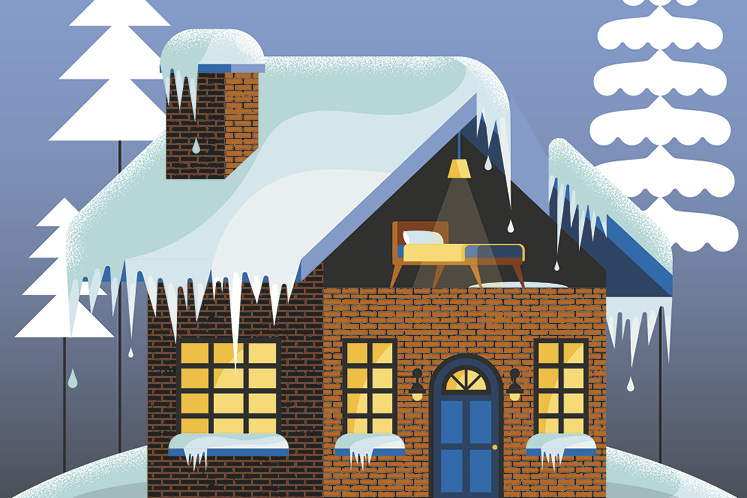
Ice dams are created when heat from your house melts the snow on the roof, causing water to run down and refreeze in the colder eaves or gutters. Ice builds up, blocking drainage and trapping water behind it. With nowhere to go, water can back up under shingles and eventually leak into your house, causing damage to walls, ceilings and insulation.
Ice-proof your roof
So what can homeowners do? Ice dam prevention begins before the first snow – even months beforehand. Many houses have inadequate venting for their size, Cairns says. This can lead to uneven heat distribution, which causes the attic ceiling to warm up.
He suggests adding other vents, such as ridge vents along the peak of the roof where they are less likely to become snow-packed. Adding vents is relatively easy and inexpensive, Cairns says, and will ensure good air intake.


Proper insulation is another key consideration. Your attic temperature should be just a few degrees warmer than outside, explains Chris Mullins, owner of Orangeville-based CM Roofing Solutions. If there isn’t enough insulation in the attic and there are gaps at warm air entry points – such as pipes, chimneys and attic hatches – heat can escape through the attic ceiling and enter the underside of the roof and melt snow. Most roofers will suggest getting an inspection to check.
If you have a steel or synthetic roof, consider installing snow guards. Snow doesn’t stick to these materials in the same way it adheres to asphalt or cedar shingles, Cairns explains, leaving homeowners at risk for snow and ice suddenly sliding off. “This can be potentially damaging to your gutters, but more importantly, can be very dangerous around entry points of your home, causing injury to people.”
Prevention to avoid intervention
Once those wintry days arrive, keep a close eye on your roof for snow buildup. First, ensure roof vents are always clear. If sunshine isn’t doing the job, use a roof rake with an extendable handle to clear snow while standing on firm ground. According to Cairns, homes and roofs are built with an area’s average snowfall in mind. However, additional accumulation – and especially heavy and wet snow – can cause structural damage. Signs of stress include creaking sounds, sagging, and jammed-up doors and windows.
What not to do: Hack or try to melt ice dams yourself. Most roofers will caution against tossing salt or other melting agents on your roof, as this can damage shingles. Most also offer snow and ice clearing services, with the cost varying depending on the pitch, depth and location of the snow.
When it comes to ice and snow removal, Mullins and others strongly caution against getting on the roof yourself. “Not only is it dangerous, but you can also do a lot of physical damage to your roof if you don’t know how to properly break up the ice dams.”
For a list of local roofers, see our Home Improvement and Repair advertisers.
Related Stories
Winter Preparedness for Rural Homes
How to prep your home, car – and psyche – for winter storm season and its inevitable hydro outages.

Warming Trend
If rising fuel costs and environmental concerns have you considering a heat pump, here’s how to decide if one is right for you.