
Bird’s-foot Trefoil Has The Blues
While it may be classified as an invasive species, this fast-growing perennial broadleaf is a popular pollinator, a supporter of eroding soil and hardy food for livestock.
Turfgrass and roadsides across Headwaters are currently daubed yellow by a legume called bird’s-foot trefoil, native to Eurasia. Originally introduced for erosion control and as a superior forage crop for livestock, it is now ubiquitous across the landscape.
The “bird’s foot” in its name refers to the structure of its seed pods which resemble – no surprise – bird’s feet.
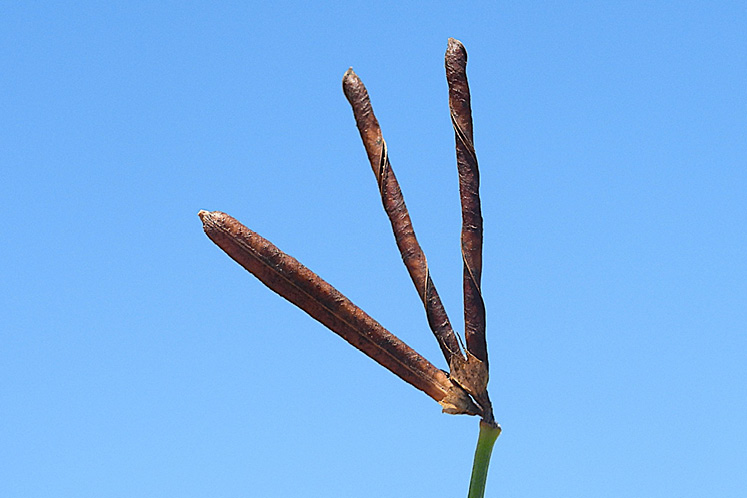
The widespread colonization of North America by bird’s-foot trefoil has earned it invasive species status. The knock? Outcompeting native flora. That may be true in some cases, but this plant also has some impressive redemptive qualities.
It thrives on urban boulevards, displacing grass (also non-native) with lovely yellow flowers that support pollinating insects. Like grass it can be cut back repeatedly by mowers.
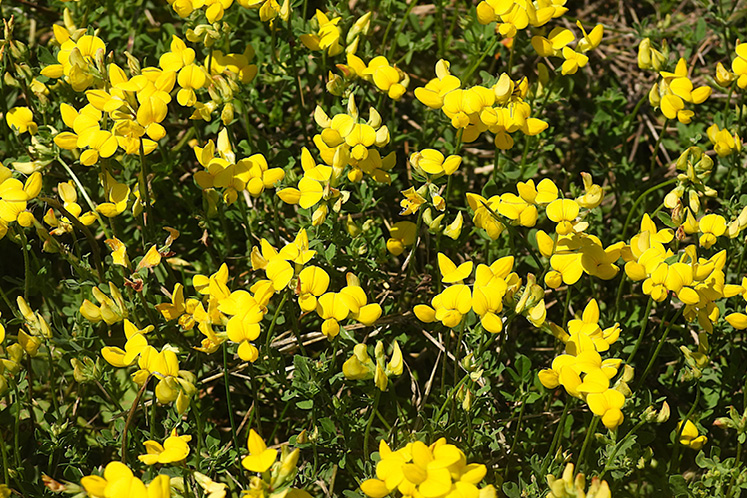
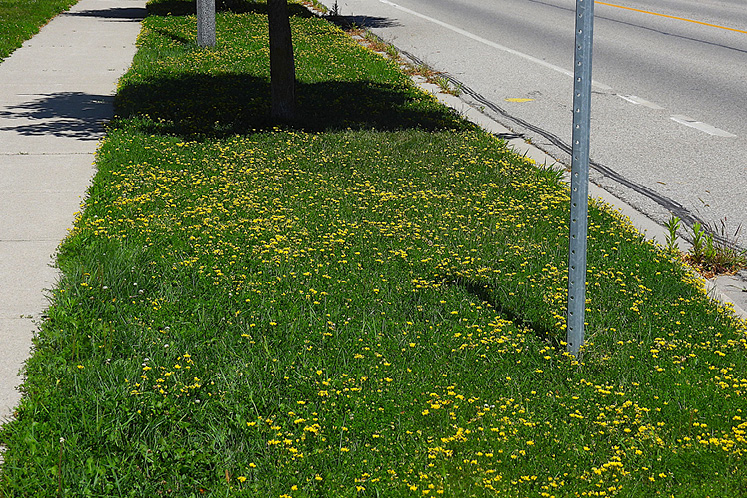
But unlike grass it doesn’t suffer in dry weather. As grass fades to brown, bird’s-foot trefoil remains steadfastly green. Using precious water to hydrate lawns – a questionable practice at best – isn’t necessary for trefoil.
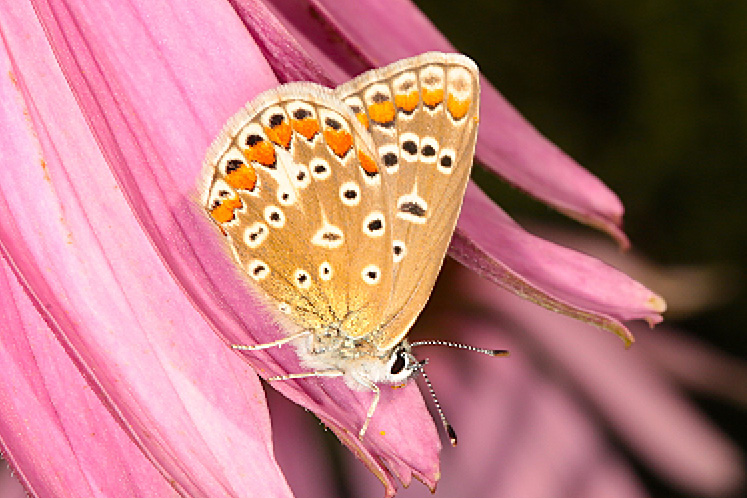
Another reason to like this “invader” is its relationship with the European common blue, a stunning butterfly first found in North America near Montreal in 2005.
The larvae of these butterflies feed on bird’s-foot trefoil and the trefoil’s abundance will ensure that European common blue populations will continue to increase in our hills.


We take a simplistic approach to introduced plants and animals, lumping them together as “invasive,” tarring them with all the negativity that term implies. Yes, some introduced species have caused grievous damage to ecosystems, but nuance should guide our thinking. Some introduced species bring benefits to their novel North American ecosystems.
Bird’s-foot trefoil is a good example, offering drought resistance, forage for livestock, pretty flowers that support pollinators, and foliage that nourishes a spectacular new Headwaters arrival, the European common blue.
Related Stories

Roadside Attractions
Each year our roadside verges erupt in a bloom of wildflowers, only to be leveled by municipal mowers. Is there a better way to manage these habitats?

How to Grow a Green Roof
Naturalistic gardening booster Tony Spencer created a Mono rooftop garden that benefits the environment and nurtures the spirit.
Late Summer Wetland Wildflowers
The onset of autumn brings a profusion of late bloomers that add a splash of colour to Ontario wetlands.
Midsummer Pollinator Plants
Summer holidays might be halfway over, but the bees are still having a field day thanks to these flowering pollinator plants