
Minnows
Most of our minnows, like our songbirds, breed in spring and many male minnows, like male songbirds, advertise their reproductive fitness with brilliant colours.
Minnows, to most of us, are any small fish. But scientifically, minnows are a family unto themselves, the Cyprinidae. Forty species live in Ontario.
Minnows swim well below the radar of even the most seasoned naturalists. Birders revel in the springtime appearance of beautiful warblers, grosbeaks and tanagers. Wildflower fanciers get misty-eyed over trilliums and bloodroot.
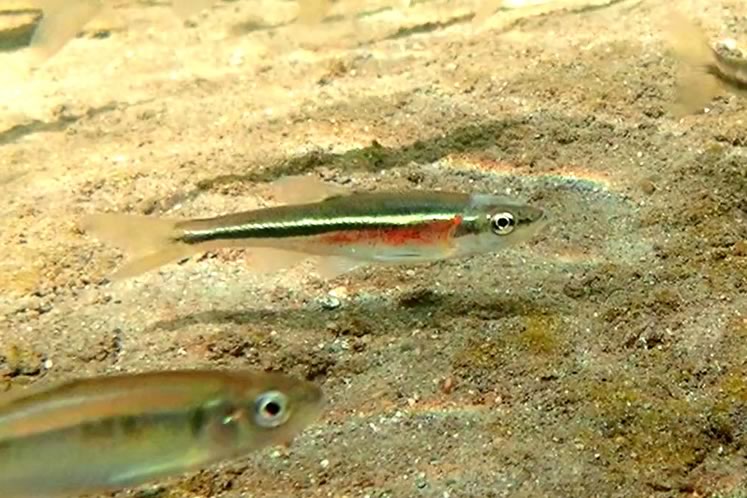
Redside dace are exquisite, especially in spring, when the males are daubed crimson along their flanks. Photo by Don Scallen.
But overlooked is the concealed beauty that flourishes under the surface of our ponds and streams. Most of our minnows, like our songbirds, breed in spring and many male minnows, like male songbirds, advertise their reproductive fitness with brilliant colours.
One video in this blog features redside dace, an endangered minnow species found in Headwaters. Redside dace are exquisite, especially in spring, when the males are daubed crimson along their flanks.
As sight feeders, with a penchant for leaping out of the water to capture low flying insects, redside dace need clear streams. Muddy run-off caused by erosion imperils their survival.
The second video features three species of minnows far more common than redside dace. They are gathered, in an exuberance of mating, on a gravel nest.
The large minnow with the strange bulbous head in the middle of the swarm is a river chub. The nest is his work, constructed by picking up stones in his mouth. After female chub mate with him, their eggs fall into cracks between the stones.
The lovely pink-hued fish dominating the video are male common shiners. Female shiners take advantage of the chub’s hard work by laying their eggs in his nest.
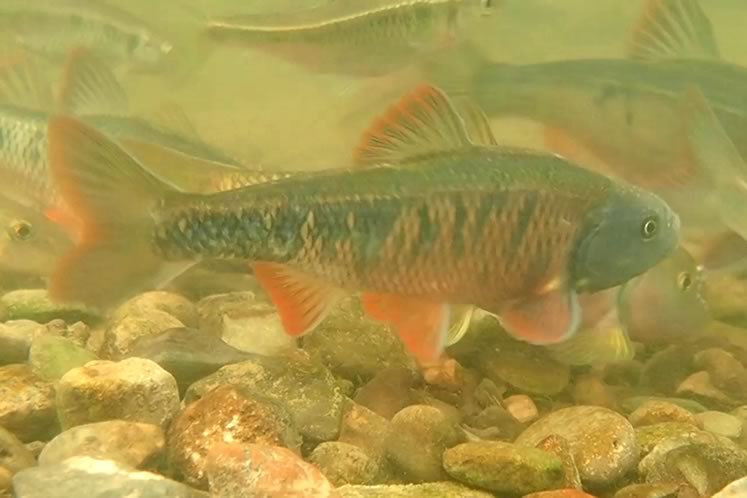
Common shiner. Photo by Don Scallen.
Longnose dace are also present. They are the smaller minnows with bold black stripes on their flanks. Alas, the interest of these dace is not reproductive but gastronomic. They eat the eggs laid by the larger minnows.
Minnows are worthy of notice. They offer beauty and wonder to discerning naturalists willing to get their feet wet.
Related Stories
Dispatches from a Vernal Pool
Vernal pools, like coral reefs, are theatres showcasing life and death struggles between prey and predators.
Goldfinches
Don’t worry about deadheading your perennials after they flower – allow them to go to seed and provide succor to goldfinches and other birds.
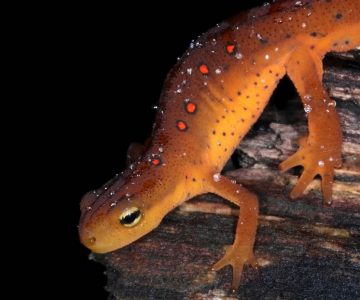
Hopping and Walkin’ in the Rain
This is the time of year to get out after dark and explore… especially as the rain falls.
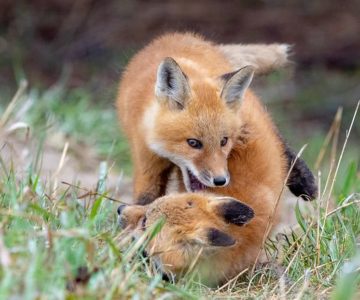
New Kits on the Block
Red foxes are making themselves at home in Inglewood, Grand Valley and Palgrave, hunting in our yards and denning under our sheds and garages.
Spring Hikes on The Bruce Trail
Along the Bruce Trail, spring is the time to slow to a saunter and see, hear and scent nature’s renewal.
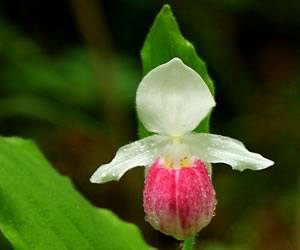
Showy Lady’s Slipper orchids
With its glorious pink and white blossoms and thumb-sized pouches, this orchid is perhaps the most exquisite of all our wildflowers.
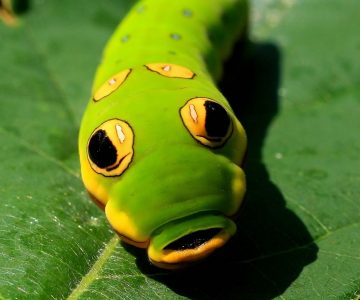
Spicebush Swallowtail Caterpillar
I’ve written about our remarkable caterpillars before, but so many interesting ones inhabit our hills that another look is warranted.