From Farm to Future: How Women Are Shaping Agriculture
For Fiddle Foot Farm’s Amy Ouchterlony, the modern woman farmer is part grower, part entrepreneur, part caretaker – and often much more.
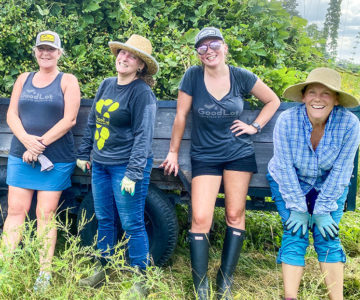
This year the United Nations is recognizing women in agriculture, calling 2026 the Year of the Woman Farmer.
When reflecting on women farmers I have met, I think of so many who have influenced me with their resilience and creativity. I’ll never forget a day I spent making tortillas and traditional Mexican chicken mole from scratch with a woman farmer in Chiapas. I had the good fortune of spending a week with environmentalist Vandana Shiva at one of her research farms in India. Her leadership and tenacity has had a significant impact on the world stage.
And while the UN’s Year of the Woman Farmer celebrates these remarkable women, women farmers here in the Headwaters region are also being recognized. I have been inspired by so many of them, particularly those who have started and run farms as the primary farmer.
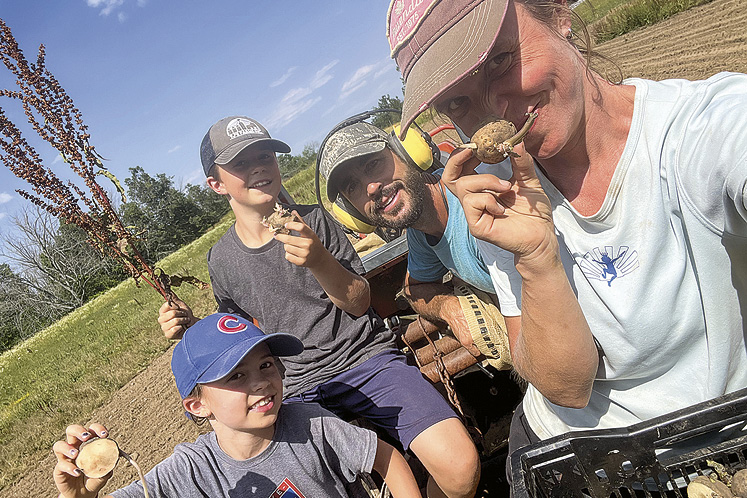
Showing young women there are opportunities in agriculture has always been important to me. Throughout my 15 years working in agriculture with my partner, Graham Corbett, and raising our two children, there have been seasons when it has been unclear or difficult to define my role on our organic and biodynamic farm, Fiddle Foot Farm.
Some years, my work took place during a baby’s nap or with a toddler in tow. Women farmers, like women in any workforce, balance a diversity of roles: farmer, mother, homesteader, nutritionist, teacher, caregiver, chef, gardener, marketer, administrator, community builder, inventory manager, bookkeeper, harvester and family logistical mastermind!
It may not always be the most straightforward job description, but it’s one I have felt very grateful to fill. Through it all, I’m proud to be committed to caring for the earth and maintaining the integrity of our land for future generations. We grow 5.5 acres of vegetables from garlic to greens, carrots to cabbage, tomatoes to turnips, potatoes and peas – without synthetic chemicals, artificial fertilizers or genetically modified organisms.

Like many women farmers before me, I enjoy using the farm as a teaching tool, addressing concerns Graham and I have for the sustainability of shared natural resources (land, water, air) and the growing disconnect between humans and the natural world that supports us.
Let this issue of the Headwaters Farm Fresh Guide be an invitation to toast the many roles women play on farms. If you ate today, thank a woman farmer!
Related Stories

Cultivating Connection – Agritourism in the Hills of Headwaters
From pick-your-own berries to picnics in sunflower fields, Caledon, Dufferin and Erin have become hubs for locals and visitors who want to get back to the land.

So Much More Than Good Food
This year’s Headwaters Farm Fresh guide helps you truly embrace the local field-to-fork movement.
Regenerating Our Relationship with the Land
Pick up this year’s Headwaters Farm Fresh guide to get to know your local farmers and explore the beautiful countryside in our own backyard.
Seize the Local Moment
We’re lucky to live in a farm region that cares so much about food and that is embracing new opportunities in food education and ecoliteracy.