
A Guide to Raising Backyard Chickens
Want fresh eggs? Flock owners share their tips for building a coop, choosing a breed, and taking care of your feathered friends.
When twins Sofie and Maya Jenkins were 10 years old, they made a pitch to their parents, Melissa and Matthew, to adopt a few new members into their East Garafraxa-based family: backyard chickens. The sisters, now 17, were excited by the possibility of keeping hens on their five-acre homestead and providing their family with a steady supply of eggs.
“We gathered up all the research we could find about different kinds of chickens, how to care for them, and the responsibilities we would share between us, and compiled it into a Google Doc for our parents,” Sofie explains. They pitched the plan to Melissa, an artist whose work adorns the walls of the recently opened Liberty Inn, and Matthew, a sales executive. The couple agreed the girls could give it a go, if they were committed. “They loved the idea of having farm-fresh eggs, and thought it was also a great project for us to learn responsibility and hard work,” Sofie adds.

Talk to any local backyard flock owner and they will tell you their reason for raising chickens is the same – having instant access to fresh eggs. However, it’s not the only benefit. There’s a wonderful and unexpected byproduct of birdkeeping that many hobby farmers say outweighs the egg output: a deep-seated love for their chickens.
Andrea Moore, who lives near Caledon Village and works for a non-profit in Brampton, currently keeps six hens in her backyard. She and her husband, Phil, a retired engineer, started their brood in June 2020 with day-old barred Plymouth Rock chicks from Frey’s Hatchery in St. Jacobs. The breed is known for their distinctive black-and-white barred feather pattern, good egg production and docile temperament. Faced with more time at home on their one-acre country property thanks to the pandemic, the couple decided it was the perfect opportunity to realize their dream of keeping hens.
“We were very much into the concept of having food provided by happy animals,” Moore says. “What we didn’t expect was to become so deeply bonded to our birds. They have become beloved pets. We had no idea about the curious, fun and funny personalities chickens have, and how much we would become invested in seeing them thrive and grow as individuals.”
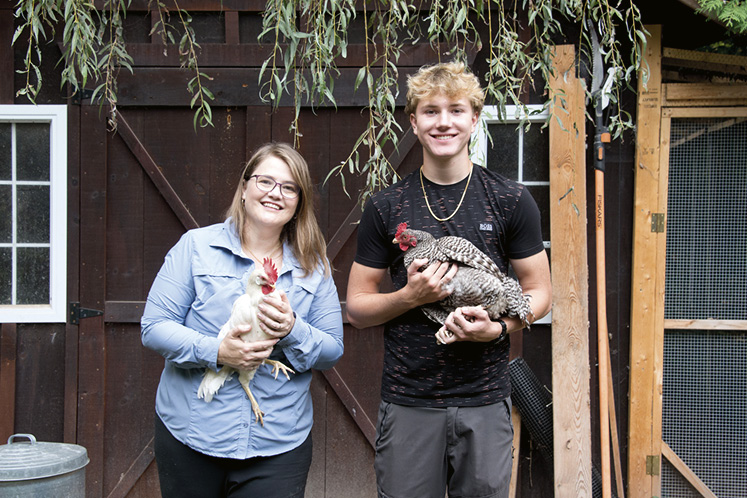
The same can be said of the Jenkins’ flock of six. “Once we got our chicks, the eggs immediately became the least important thing about them,” Maya says. “We quickly realized what interesting animals they are, with unique, sweet and soulful personalities.” Their two oldest chickens, which are Rhode Island reds, are named Myrtle and Beanie. “They are sisters but are so different from each other,” Maya adds. “Myrtle is quiet, intelligent and calm, while Beanie is outgoing and so chatty – when you talk to her, she often clucks back!”
The Jenkins’ brood also includes two-year-old Easter egger hens named Phoebe and Biscuit; a two-year-old spangled Russian Orloff hen named Camille; and three-year-old red rooster named Banana. Sofie says as she and Maya have grown into young adulthood, their chickens have been an incredibly grounding element. “They are a stable part of my life and they are so nice to have at home,” she says.
The joy owners receive from their chickens is something Ayella Grossman, co-owner of FarmHaus Supplies in Erin, which sells chicken supplies like feeders, waterers and chicken treats, often hears. Though they were a popular hobby pre-pandemic, backyard birds have seen a boom in the last five years, she says, echoing news reports from 2020 that showed an increased interest in having a backyard coop or, alternatively, renting a coop during the summer months.
“The pandemic and rising grocery prices inspired people to find ways to be more self-sufficient and food-secure, which included gardening and keeping chickens,” Grossman reports. “A small flock of chickens provides eggs for a family, and their used bedding can be composted and then added to a garden to provide nutrient-rich compost. If you have backyard homestead goals, chickens are a perfect addition to the plan.”
Getting started
The first step is to check bylaws in your area to make sure backyard chickens are permitted, and depending on the size of your property, how many you can have (for example, if you live in Erin, you can have six hens on two acres, and roosters are prohibited due to noise concerns). Some town bylaws state the coop must be in your backyard and a certain distance from the property line. The rules also vary depending on whether you’re in town or in a rural area. It’s important to know before you begin.
Because chickens are flock-centric animals, Grossman says starting with three or four is ideal. They will produce an average of two dozen eggs a week. “If your municipality allows for more, you may find yourself quickly wanting to add new flock members because you realize how enjoyable they are,” she laughs. “We call this ‘chicken math!’”
You’ll need to plan for a coop to house your chickens as well as an area for them to run, and if your property permits, a spot where they can roam freely. Bylaws also set out minimum and maximum space requirements per hen, and you’ll need a perch that accommodates all the hens.
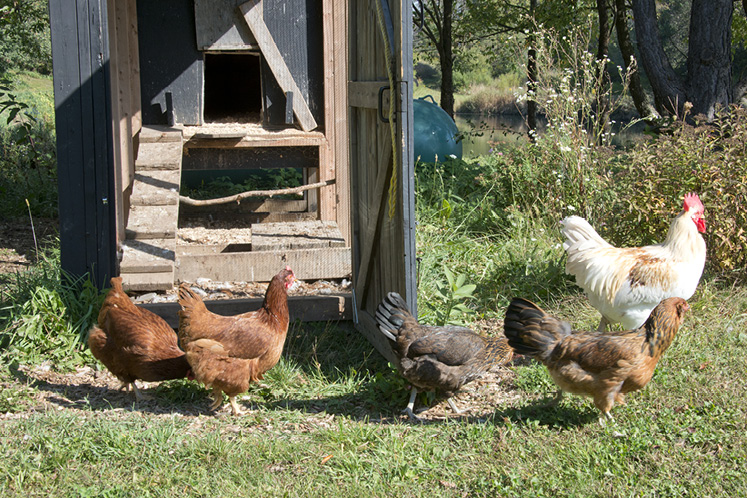
Jo-Anne St. Godard, an environmental consultant who lives on a half-acre property in Mono, keeps five hens in a repurposed dog run, which turned out to be the ideal coop size. Her “girls” – a mix of fluffy silkies, a fancy plumed Polish chicken and a hearty Rhode Island red – have plenty of room to roost, she says, adding that the coop and run don’t take up as much space as she initially thought they would.
“As a general rule, you want four square feet of coop space for each hen,” Grossman says. “The outdoor run space should be a minimum of 10 square feet per chicken, and allow your chickens a place to explore, scratch, have a dust bath to clean their feathers, and forage.”
This outdoor space could be grass, but grass won’t last long in smaller runs because chickens scratch the ground. According to Grossman, usually once the grass is gone people use wood shavings, gravel, sand or wood chips.
Coop considerations
The first coop Moore used was a prefabricated kit that she purchased online – a move she regrets as it didn’t provide enough space for their original flock of four chickens. “We did waste a bit of money with the first kit,” she admits. “The specs might say it’s big enough for four or six chickens, but it really wasn’t. You need to do your own research and plan better.”
After this, she and her husband converted a 10-foot-by-10-foot wooden shed into an “exclusive chicken palace,” which provides 100 square feet of indoor living space during the colder months. The shed is now also connected to a larger fenced-in chicken run with 100 square feet of outdoor space where the flock can roam safely.

To insulate her coop, Moore uses the “deep litter method” – shavings are laid down on the floor, and as the bedding gets soiled with chicken poop, more shavings are layered on top. In the spring Moore does a big cleanout of the litter.
Good coop ventilation is critical, including windows and vents (with netting or wire protection) at the top of the coop for moisture to escape. Grossman says chickens produce a lot of heat and moisture, which can cause dampness. “Excess moisture is harmful to your chickens’ health as they are very susceptible to respiratory ailments,” she explains, adding that proper ventilation keeps out drafts, while allowing harmful gases like ammonia to exit.
You will also need nesting boxes – a standard size is typically 12 inches by 12 inches, and 14 inches high – where chickens can lay their eggs, as well as perches for roosting at night.
In the winter months, you’ll need a heater for the birds’ water, and you might also want to consider insulating the inside of the coop for extra warmth. Foam board insulation can be used as a buffer against the cold, but needs to be covered with plywood or puck board, so chickens don’t peck at it.
“Your dog can come inside during a snowstorm, but not your chickens,” Moore says. “They are very resilient and they don’t mind the weather, but we do things to help make it more comfortable for them.”


In addition to the space requirements, the birds have other needs to consider. Chickens are prime targets for predators, chief among them raccoons, weasels, minks, coyotes, skunks and birds of prey. To keep them safe, their coop needs to be constructed of materials that can’t easily be penetrated, such as hardware mesh with a tight grid structure of less than half an inch (ironically, chicken wire is one of the easiest materials for predators to break through).
This was a lesson St. Godard learned the hard way after a mink got into her coop through the pre-existing chicken wire and she lost three chickens. Following this, she fortified the coop by doubling up with a smaller-spaced layer of wire to keep smaller predators out.
You also need to install locks and latches that small paws can’t undo, as well as bury predator-proof hardware cloth in the area surrounding the coop to prevent predators from digging underneath fencing to gain inside access.
Protecting the health of your flock – and your family
Owning your own flock does come with certain risks. According to Wellington-Dufferin-Guelph Public Health, backyard chickens can carry germs like salmonella, campylobacter and avian influenza (bird flu), which can be spread through contact with the feathers, droppings, coops and eggs.
Practising good hygiene, including washing your hands thoroughly after touching, cleaning and feeding times, wearing dedicated clothing and shoes to avoid cross-contamination, and always keeping the coop clean can help minimize exposure. If you’re getting new chickens, WDG Public Health recommends quarantining them before introducing them to the flock.
The Canadian Food Inspection Agency website offers tips on reducing the risk of bird flu, including preventing your flock from interacting with wild birds, frequently cleaning the coop and knowing the signs of infection, including a sudden drop in egg production, lethargy, reduced appetite or respiratory issues.
The best breeds
It’s not until you get deep into chicken fact-finding mode that you realize how many different varieties there are – hundreds worldwide. Some of the most popular breeds for egg laying include Rhode Island reds with their burnished, rusty red feathers; Leghorns, which can be white, red, light brown or black; and Plymouth Rocks, who have striking white-and-black speckled plumage. The Jenkins twins started with Rhode Island reds, which they recommend as a starter breed because they are great egg producers.
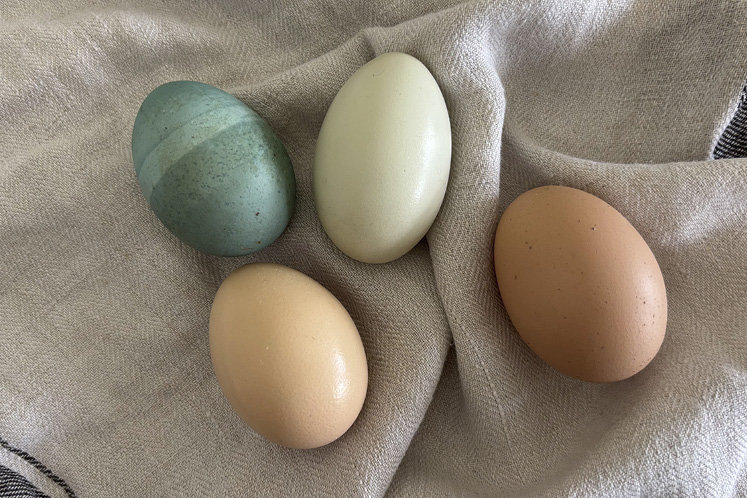
Chickens lay a variety of colours of eggs – it depends on their breed – and this might factor into your choice of hens. Rhode Island reds lay classic brown eggs, while Araucana chickens are famous for their beautifully coloured eggs – blue, in particular. Easter eggers, which are a crossbreed, are beloved for producing a mix of egg shades, including pale blue, soft green, off-white and warm taupe.
When it comes to procuring chickens, there are a few options. You can start with hatching eggs, which Grossman says is an interesting and educational experience, but a bit of a long game – it will be several months before chickens mature and begin laying eggs.
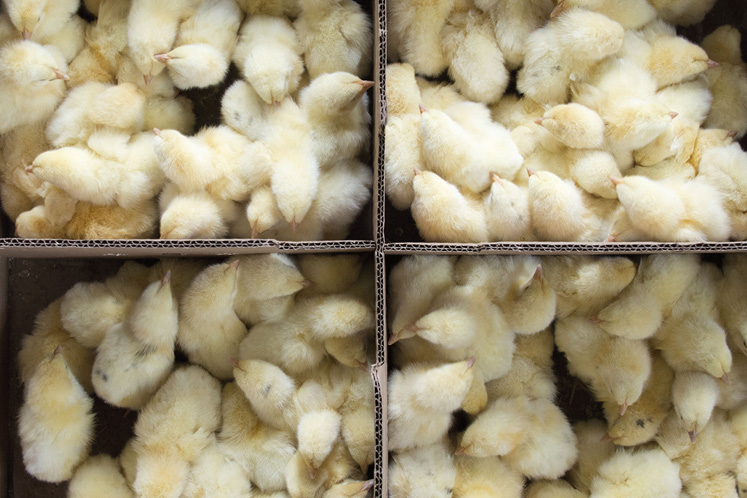
Pullets are young ready-to-lay hens that start producing eggs at about the age of 16 weeks. Many hobbyists choose these to start their flock. The other popular choice is day-old chicks, which are not only adorable, but fun to raise. You can find day-old chicks at farm markets (cost per chick generally ranges from $2 to $8), or for a larger selection of breeds you can hit an All Ontario Fur & Feather Associates buy-sell-trade event, which happens every spring and fall in various locations throughout Ontario, most recently in Brampton. Area farms, including Davis Feed & Farm Supply in Caledon, also stock them.
Grossman says a huge benefit of raising day-old chicks is you can socialize them and get them used to being handled. The drawback? Unless your chickens are sexed – and some breeds cannot be sexed at birth – you could end up with a flock of roosters.
“There are breeds of chickens whose sex is linked to the colour of their patterns, and we call those breeds sex-linked,” Grossman explains. “If you have another breed in mind for your flock that doesn’t have that trait, you may not be able to determine with certainty what sex you are taking home until they are much older.”
Healthy, happy and well-cared for chickens can live six to eight years, and their egg-laying peak is the first four years.
Owners will tell you that once you have chickens, it’s hard to imagine life without them. “I love connecting with them every morning and discovering the gifts they have left for us,” says St. Godard, who has had her flock for three years.
“Seeing them roam around is so calming, and they have been such a beautiful addition to our home. I love seeing my 20-year-old son interact and hang out with them. Raising them has been a lovely way to bring something new into our family that’s low maintenance and incredibly soothing.”
MORE INFO
A Few More FYIs for Fledgling Flock Owners
Best-laid plans
Before you build or rent a coop, know the local regulations. In Orangeville owners of a detached or semi-detached home may have one chicken coop in their rear yard with no more than three hens (roosters are not allowed), which must be secured in the coop from 9 p.m. to 6 a.m.
Caledon and Mulmur residents are allowed four hens. In Erin, it depends on the size of your property — on lots under two acres, you can have up to six hens, but this goes up to 24 chickens if your lot is three to five acres.
Mono allows chickens on rural properties that are one acre or larger but is also working on a pilot program to license backyard chickens in residential areas.
Backyard coops are currently not allowed in residential areas of Shelburne and Melancthon — a situation that made headlines in 2020 after a Horning’s Mills family was asked to get rid of their beloved chickens.
Maintenance
Caring for chickens is not hard, but it is a daily chore. The birds need to be let out of their coop in the morning and put back in at night.
“The most intensive part of care is coop cleaning, which we do once a week,” Sofie Jenkins says. “You also must take time to check in with each of your birds to keep on top of any health issues like egg binding, which occurs when an egg becomes stuck inside a hen’s oviduct, or respiratory concerns. They are known to hide sickness until they are extremely ill when it may be too late to treat with veterinary care.” If you go away, you’ll need a chicken sitter to keep up your birds’ routine.
Egg production
When your hens are in their peak laying years, you can expect an egg every one or two days. One chicken can produce up to 250 eggs a year! Does this leave owners feeling overwhelmed and living on omelettes?
“We are shocked about how many eggs we get,” St. Godard laughs. “We slightly underestimated the number of eggs we would collect, but we love it and always find a way to use them.” Your friends and neighbours might also appreciate the gift of fresh eggs.
Food
According to Grossman, an average chicken will eat anywhere from a quarter to a half pound of feed per day. If you have four hens, a 25-kilogram bag of feed will last approximately 50 days (prices average $23 for regular feed and up to $34 for organic).
Calcium is critical to chickens as it affects egg laying and egg quality. You can add supplements like oyster shells or black soldier fly larvae to their diet.
You can feed chickens human food but need to be savvy about what you share — certain foods don’t agree with them. Do some research before sharing any leftovers with your chickens.
Pecking order
In the chicken world, hierarchy absolutely is a thing. There will be a boss bird in the flock, and when you introduce newbies, expect some bullying until they realize their place in the family. It can be unsettling to observe, but know that it’s normal, and you only need to step in if things escalate and a bird has been excessively scratched, beat up or is bleeding.
Cuddle factor
Yes, chickens can be cuddly! If you raise them from chicks, they can become attached to you and accustomed to being handled.
“Our girl Phoebe is such a cuddler,” laughs Maya Jenkins. “Even our rooster, Banana, loves to be picked up and though many people don’t want or can’t have a male in the flock, we love him. He really cares for the girls and is always looking out for their safety.”
Related Stories

Meet the Maker behind The Liberty Inn
From hand-built floor tiles to tableware thrown on a wheel, Jacqui Liberty’s craft touches every room of the meticulously renovated Liberty Inn in Caledon.

Seize the Local Moment
We’re lucky to live in a farm region that cares so much about food and that is embracing new opportunities in food education and ecoliteracy.

Getting a Jump on Your Spring Garden
How to wind down your vegetable patch this autumn and prime it to provide plentiful produce next season.

Regenerating Our Relationship with the Land
Pick up this year’s Headwaters Farm Fresh guide to get to know your local farmers and explore the beautiful countryside in our own backyard.