Good Bird? Bad Bird?
Starlings have three strikes against them.
I don’t like starlings. They are brash, brazen, bold. At my feeders, extending the alliteration, they bully other birds and bicker amongst themselves like parliamentarians in our nation’s capital.
And how about an object lesson in greed? Watch them devour, in short order, every morsel of the $5 suet you put out for the woodpeckers.
My starling sentiments are shared by most birders. We birders judge every bird we see. “Good” birds are usually native species that are pretty or uncommon. So, orioles good, starlings bad.
All of us make value judgements, of course. Among animals we judge spiders, snakes and cottontail bunnies differently.
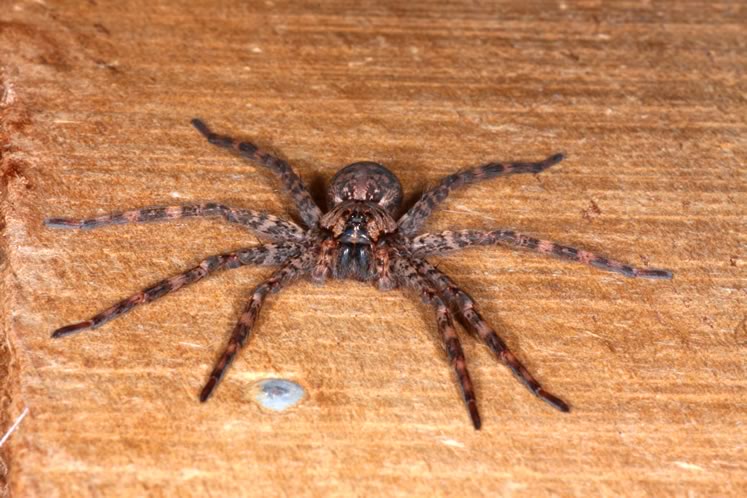
Fishing spider. Photo by Don Scallen.
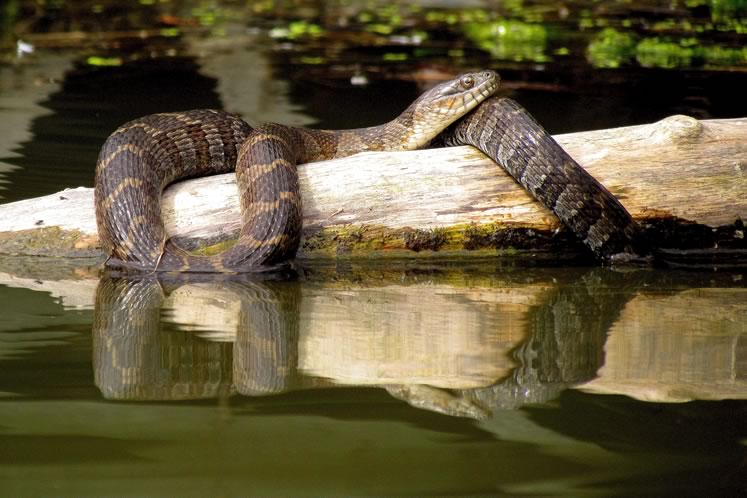
Northern water snake. Photo by Don Scallen.
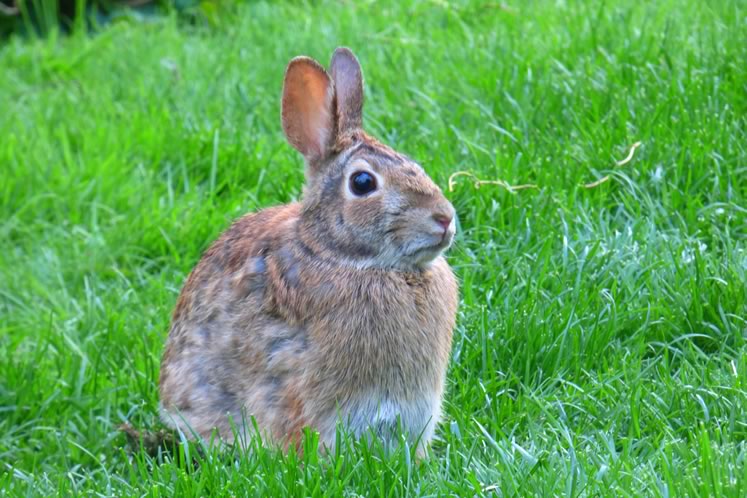
Eastern cottontail rabbit. Photo by Don Scallen.
At some level this is understandable, perhaps traced to ancestral memories of the danger each creature presents. But we should remember that our perceptions of the “goodness” or “badness” of animals also has a cultural component.
Not long ago we judged predators as bad. Thousands of hawks were shot on their southerly migration every year. Rangers in Algonquin Park shot, trapped, and clubbed to death as many wolves as they could.
Thank goodness our cultural judgement of predators has changed.


Starlings have three strikes against them. One: Starlings are non-native. Though some non-native species are scourges, not all of them are. Two: Starlings are abundant. We have a problem with abundant animals. Think raccoons, pigeons, cormorants. Three: Starlings don’t act nice. (See my intro paragraph.)
Of course, starlings aren’t responsible for their non-nativeness, their abundance, or their boorish behaviour. They’re just doing what starlings do. Should we despise them for that?
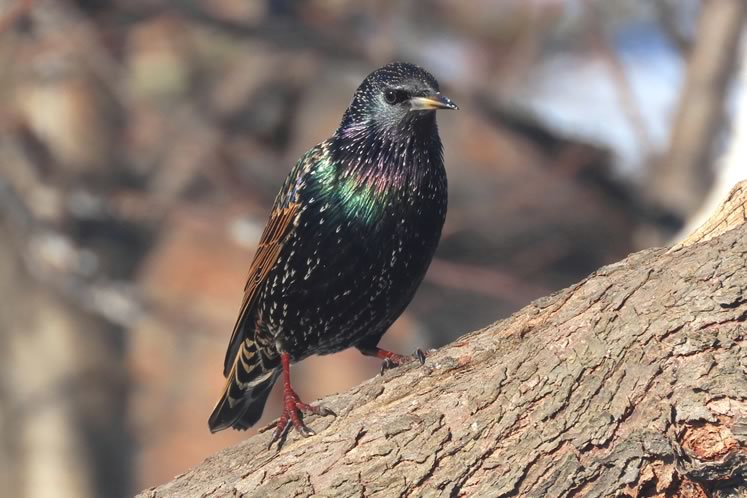
Starling resplendent in a new cloak of feathers. Photo by Don Scallen.
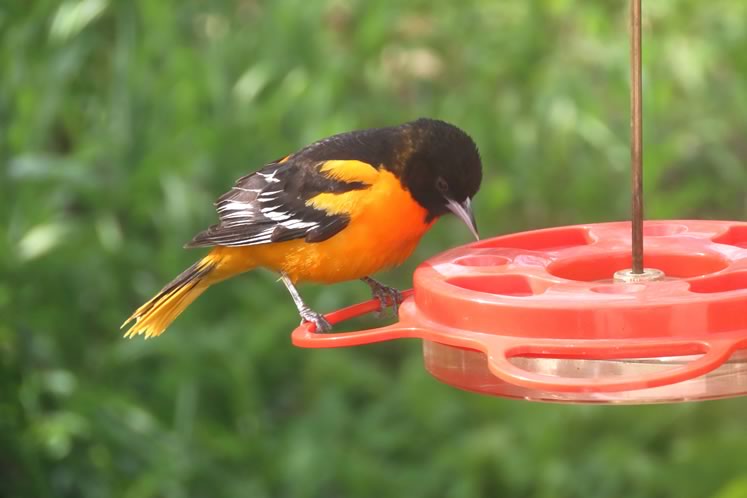
Baltimore Oriole male. Photo by Don Scallen.
The house sparrow is another bird that birders love to hate. Not my late Uncle Jack though. He fed them bread every day. My uncle never got the memo that they were loathsome birds. He loved them.
And now back to my feeders. The starlings have returned, and I feel compelled to shake my fist at them in righteous anger!
Related Stories
Eastern Cottontail Rabbits
Cottontails conceal themselves in dense thickets of shrubs and brambles.
Starlings – Birds We Love to Hate
Starlings were introduced to New York City from Europe in the 1890s, there are now more than over 200 million of them in North America.
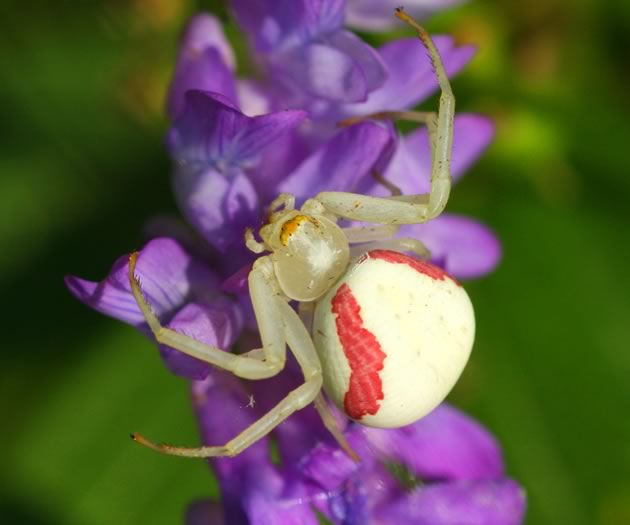
Spiders
Next time you stumble across a spider try not to scream or reach for a shoe.
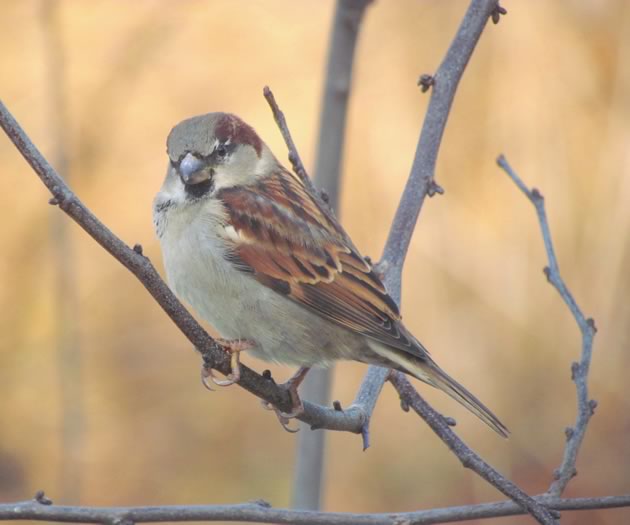
House Sparrows
House sparrows may now be the most abundant and widespread bird on Earth, occupying every continent except Antarctica.
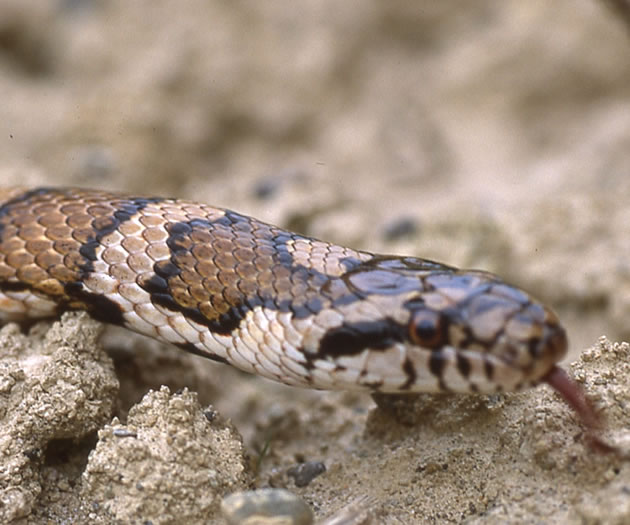
Milksnakes
Milksnakes, a threat to no one except Mickey and Minnie.
Spiders: Intricate Weavers
On cool September mornings, dew reveals the intricate weavings of spiders.