Don Scallen
Don Scallen is the author of Nature Where We Live: Activities to Engage Your Inner Scientist from Pond Dipping to Animal Tracking and Spotted Salamanders and Their World, and the monthly blog "Notes from the Wild."
Trees for Birds
If you love birds, and you plant trees or shrubs this spring, please choose native plants.
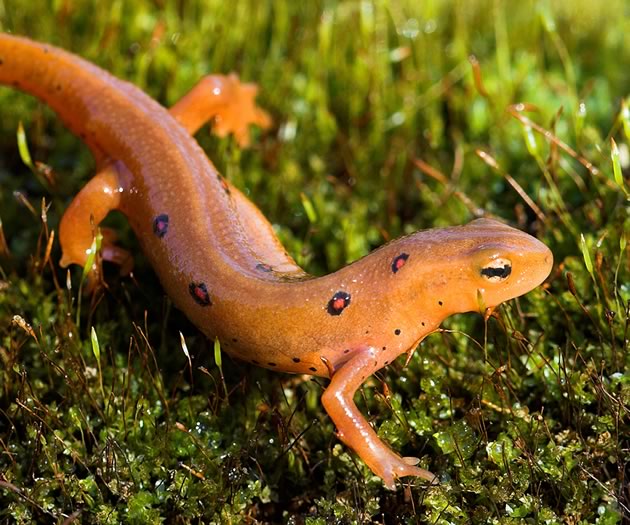
Vernal Pools
These fleeting spring wetlands are factories of biodiversity. Unusual winters threaten vernal pools, as do hot, dry summers.
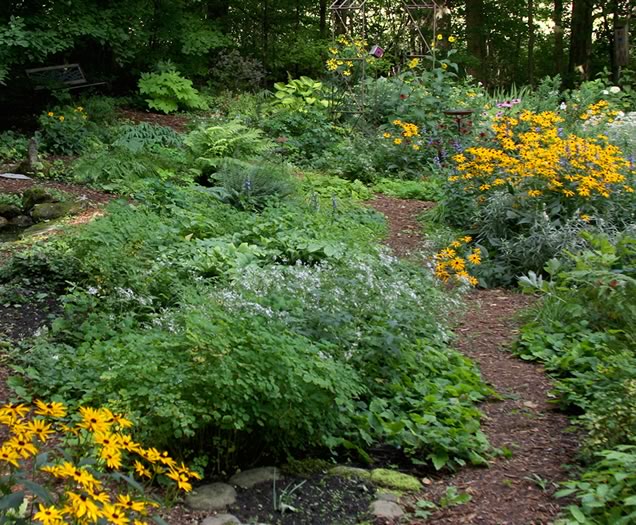
8 Ways to Kick Your Grass Habit
Inspiring tales from those who broke free from the rule of lawn.
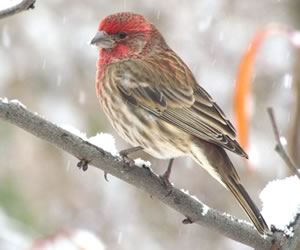
The Hollywood Finch
The house finch, perhaps more than any other bird species, is a confirmed urbanite, eating the bird seed we provide and cozying up to us at nesting time – hanging flower baskets are favourite nest sites.
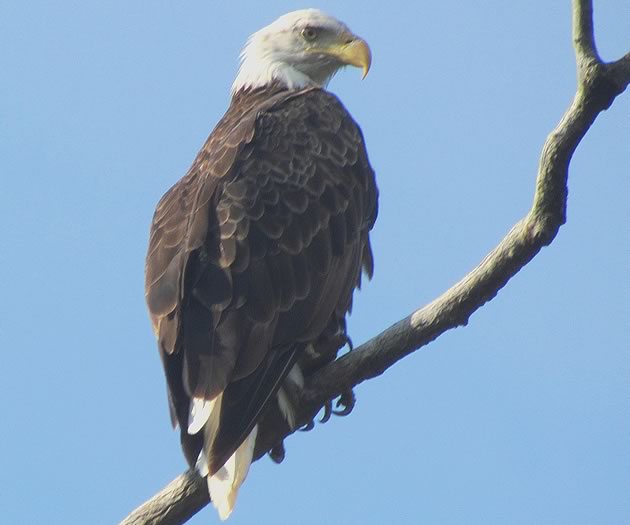
Bald Eagles
Luther Marsh is likely the best prospective nesting real estate for bald eagles in the Headwaters region.
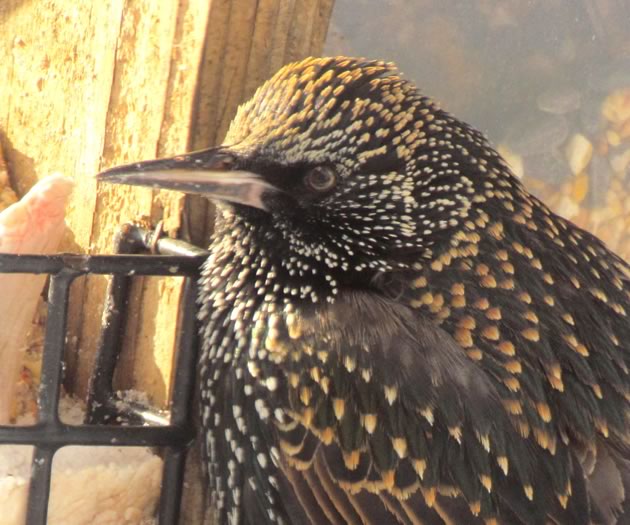
Starlings – Birds We Love to Hate
Starlings were introduced to New York City from Europe in the 1890s, there are now more than over 200 million of them in North America.
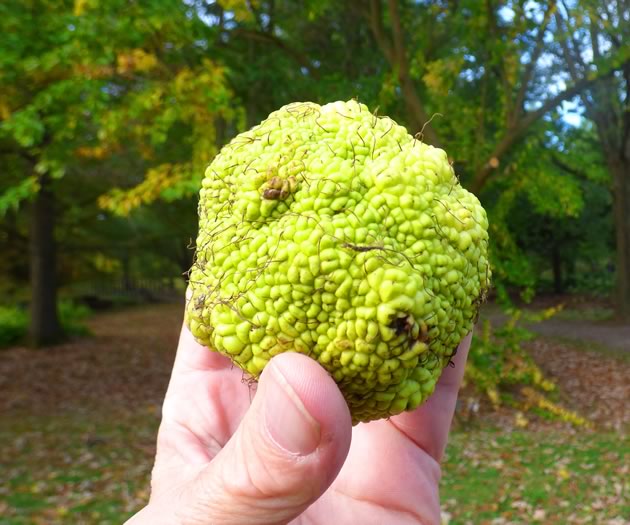
Mastodon Food
Mastodons fed largely on the twigs and branches of trees but undoubtedly enjoyed fruit as well.

Blue Jays
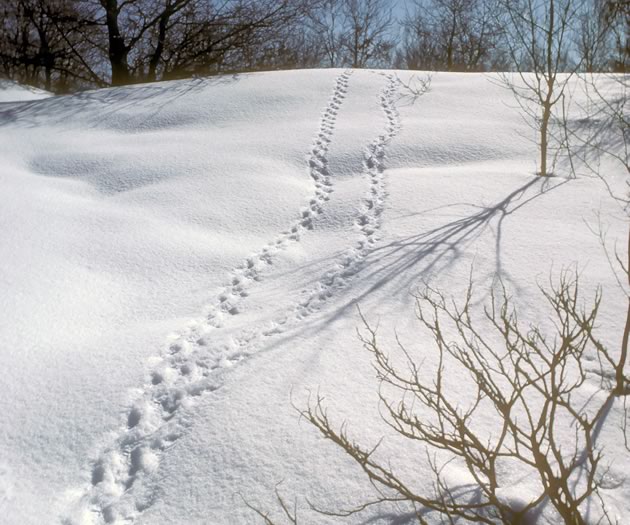
Blue jays are villains – winged brigands with a penchant for raiding the nests of other birds to devour eggs and nestlings.
Herons and Egrets
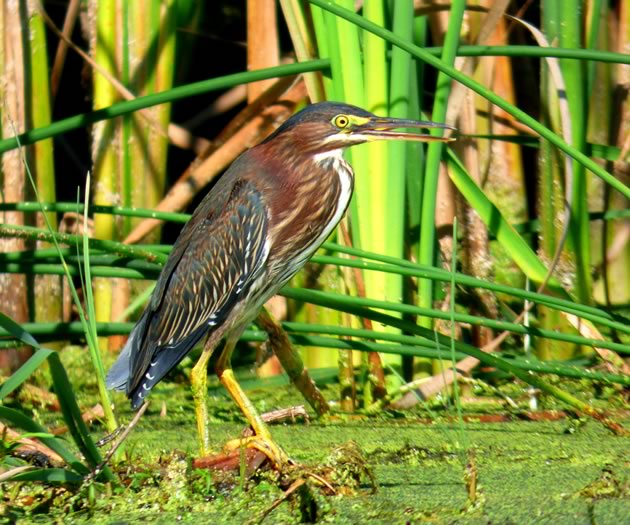
Herons, egrets and bitterns are long-legged freshwater and coastal birds in the family Ardeidae.
In Defence of Meadows
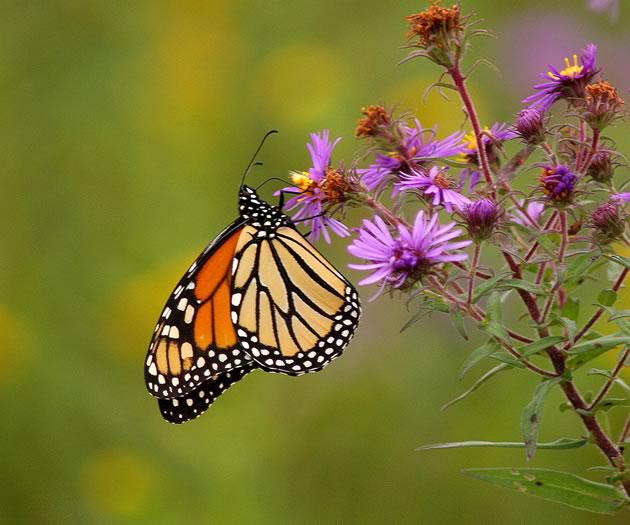
Too often belittled as “idle” land awaiting development – or “rescued” by reforestation – meadows deserve the same protection and respect as our woodlands and wetlands.
True Bugs Suck
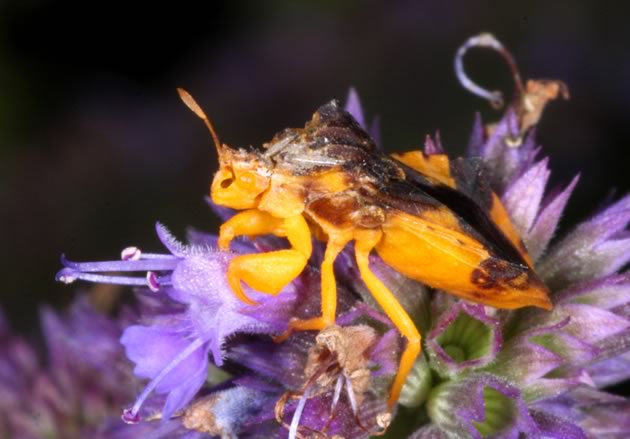
To an entomologist, “true bugs” are insects that suck. No insult intended – they really do suck.
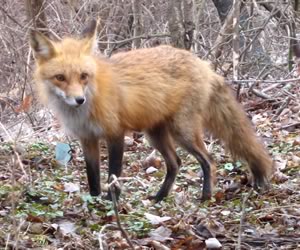
Fox Scat: the scoop on poop
On a Bruce Trail hike I came across a small mound of freshly deposited fox scat.
Caddisflies
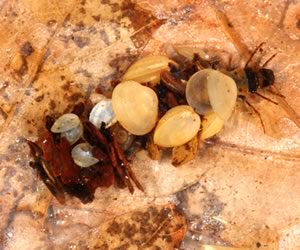
French artist Hubert Duprat capitalized on this in the 1980s by supplying caddisflies with flecks of gold and tiny precious stones.
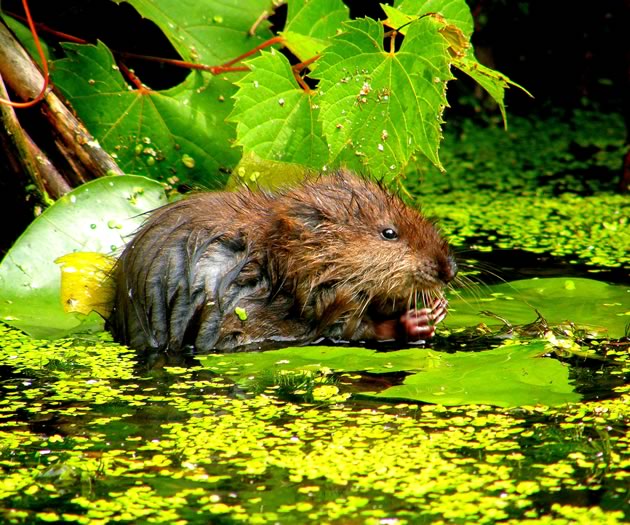
Muskrats
Muskrats are largely herbivorous – chomping cattail roots and shoots is a favourite pastime.
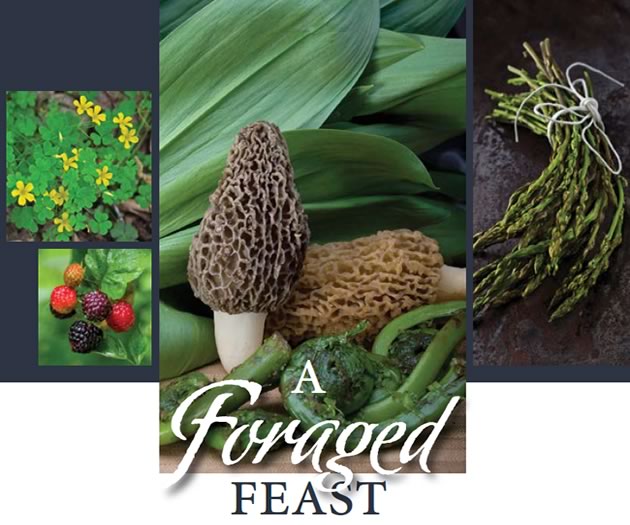
A Foraged Feast
Skip the supermarket, find the ingredients for gourmet dining in forest, field and stream.