Connecting the Dots
Our goal is always to follow the issues, pique curiosity, and help our readers (and ourselves!) stay informed.
As we were putting the final touches on this issue, the Ford government announced upcoming legislation that would merge the province’s 36 conservation authorities into seven regional bodies – all under an umbrella organization named the Ontario Provincial Conservation Agency. Calling the current system “too fragmented, inconsistent and outdated,” Todd McCarthy, minister of the environment, conservation and parks, said the move would cut duplication and boost front-line resources. Critics warn it will weaken environmental protections.
In The Hills’ coverage area is known as Headwaters and is home to four major watersheds these proposed changes would affect. Those watersheds are monitored by Credit Valley Conservation, Toronto and Region Conservation Authority, Grand River Conservation Authority and Nottawasaga Valley Conservation Authority. In addition to flood plans and other environmental safeguards, these groups also maintain beloved recreational areas, including Island Lake Conservation Area and Albion Hills Conservation Park.
Many Ontarians will eye this news with a healthy dose of skepticism due to the Ford government’s poor record on the Greenbelt. But the government’s tendency to make last-minute policy changes also means that public consultations around the proposed legislation can have an impact.
It’s worth noting not everyone in conservation circles criticized the move as a whole.
Jonathan Scott, chair of the NVCA, said in a statement that the province is right to push for “greater standardization and clear processes.” He also warned that the plan “risks eroding local control.”
This tension over how much local control residents can expect – not to mention the role of healthy wetlands in local ecosystems – is also at the heart of a story in this issue. Some Caledon residents are fighting a proposal to fill a healthy body of water on the site of a rehabilitated gravel pit with soil trucked in from construction sites. And one possible solution brings us back to the proposed legislation: Credit Valley Conservation might purchase the land. Would an overarching provincial authority take the same sort of interest?
In The Hills will continue to update that story online because our goal is to follow our curiosity, connect the dots and help our readers (and ourselves!) stay informed and engaged even when it doesn’t fit neatly into our print publication schedule.
That’s why we’ve launched our News Desk. If you’re signed up for our free newsletters, you may have noticed the Between Issues newsletter, which reminds you about new articles when they drop. I hope you’ll check it out.
Related Stories

Brief Encounters
A fleeting glimpse of one of these five rare Headwaters species can feel like magic – and like a warning we can’t ignore.

How Construction on Highway 413 Will Begin Much Sooner Than We Thought
With the passing of Bill 212 on November 25, the government plans to speed up land
appropriation and avoid an environmental impact assessment.

If the Greenbelt Gives Way to Sprawl, Seven Headwaters Species Will Suffer
You may not know some of these magnificent species but they are our precious, fragile neighbours that cannot survive in a subdivision.
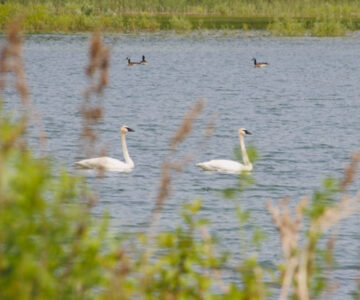
Explainer: Why Is Controversy Swirling Around Caledon’s ‘Swan Lake’?
While activists and their allies fight to protect a body of water at a rehabilitated gravel pit, the Town of Caledon is considering new bylaws that could alter future land use regulations.