Historic Hills
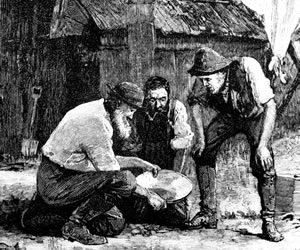
“There’s Something Under Dufferin County”
As far back as 1886, for example, gold was discovered in Melancthon Township near Dundalk.
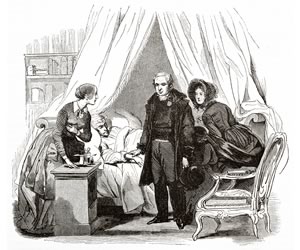
Once Upon a Time There Were House Calls
Before the days of clinics, emergency rooms and office hours, most medical treatment took place in a patient’s home. It was a challenging and uncertain process, and not just for the patient.
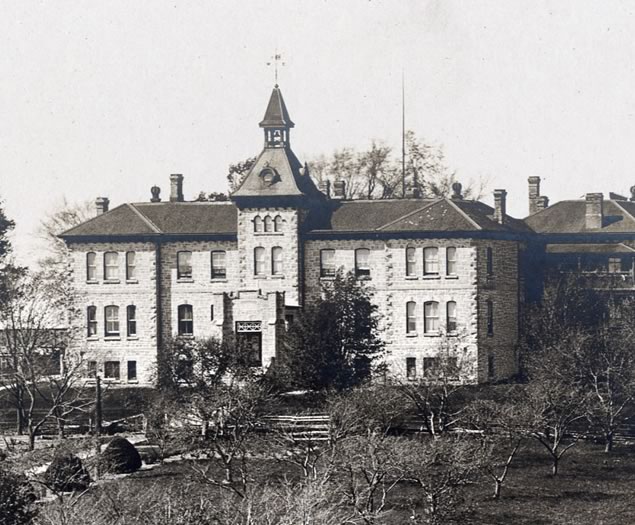
A Place for the Deserving Poor
Males and females, including married couples, slept and ate separately.
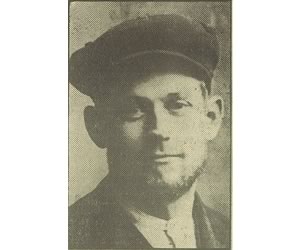
The Great Escaper
The Orangeville Sun called him Robert the Bold. Local police called him ‘armed and dangerous.’ His neighbours called him ‘misunderstood.’ Bob Cook’s story fits all these descriptions – and then some.
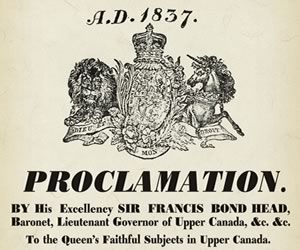
How William Lyon Mackenzie Escaped Through Caledon …or Not!
They were smuggled food by a local farmer’s wife who, knowing she was being watched, would tie packages of food to her crinolines and go for a walk.
The Rebellion of 1837: Not Just Montgomery’s Tavern
The rebellion in Upper Canada finally got British authorities to look into what was upsetting the colonies.
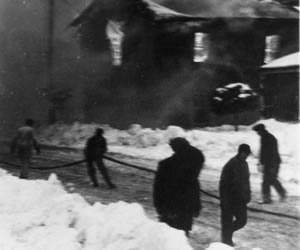
Dealing with a Nightmare: The 1947 Palgrave Fire
In the days before modern firefighting, nothing frightened a small community – or pulled it together more powerfully – than a major blaze. The 1947 Palgrave fire was one such case.
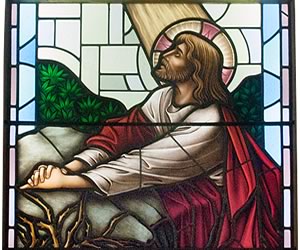
Tweedsmuir Memorial Presbyterian Church in Orangeville
Staying the Course for 175 Years: A story of determination and independence in the face of daunting challenge and bewildering change.
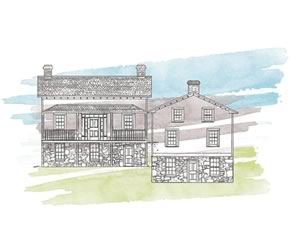
Mulmur’s Stanton Hotel
The Stanton Hotel is the only stage coach hotel remaining in Mulmur, and one of a tiny few still standing in the Headwaters region.
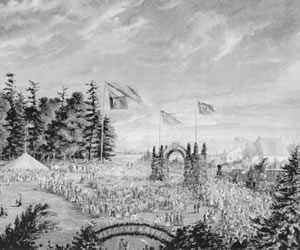
Show Us the Money!
There were new markets, an expansion in available goods, new opportunities and, above all, a new lifestyle: people here had become connected to the outside world.
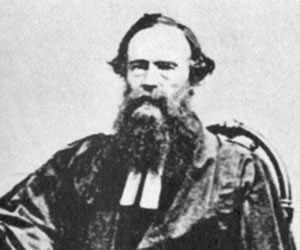
Bringing ‘The Word’ to the Wilderness
Of the worshippers in Mono Mills he complained, “When they should rise, they sit; when they should sit, they continue standing.”
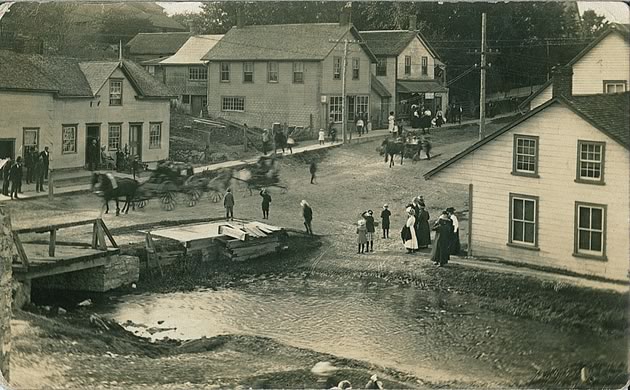
From Vision to Village
From Market Hill (Mono Mills) to reach what became Horning’s Mills, they built primitive pathways through forty kilometres of virgin forest, slogged around swamps and across streams, and forced their way up almost insurmountable hills.